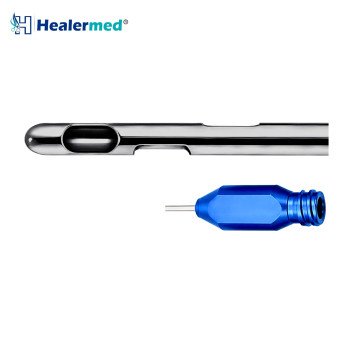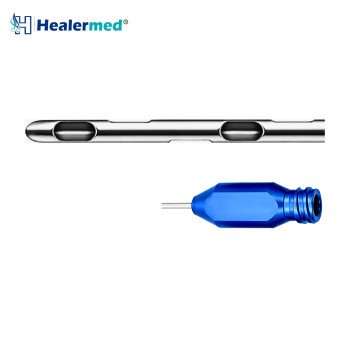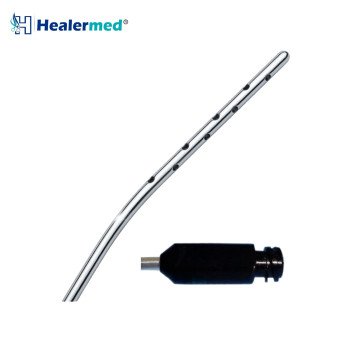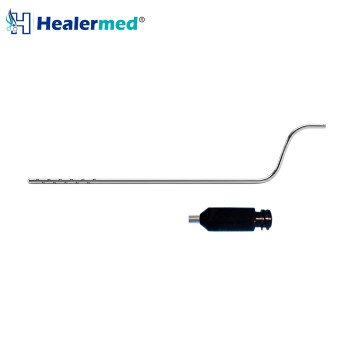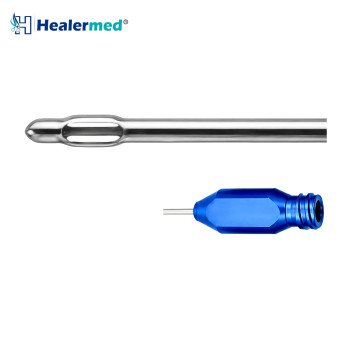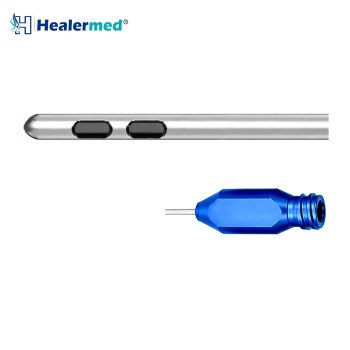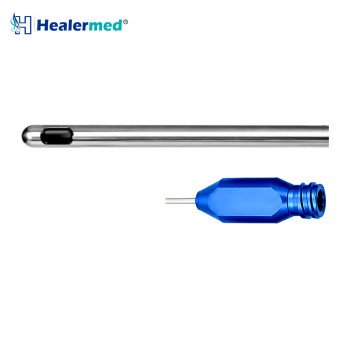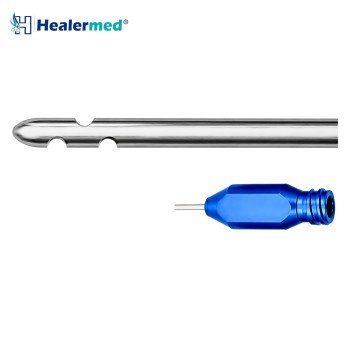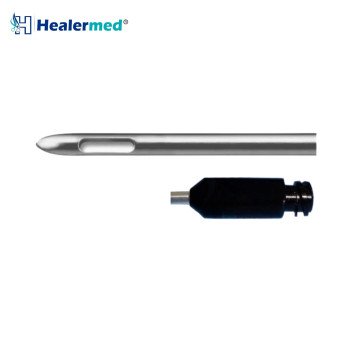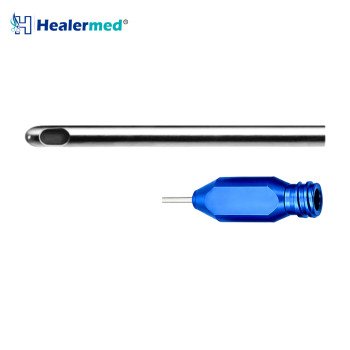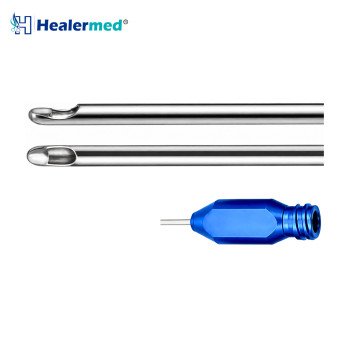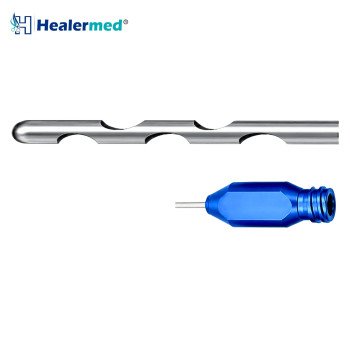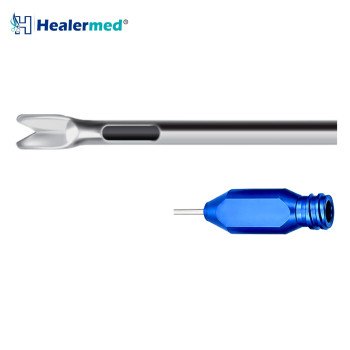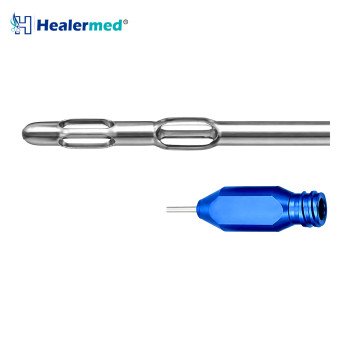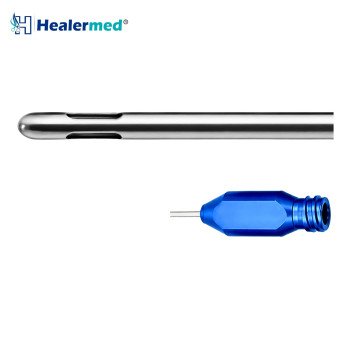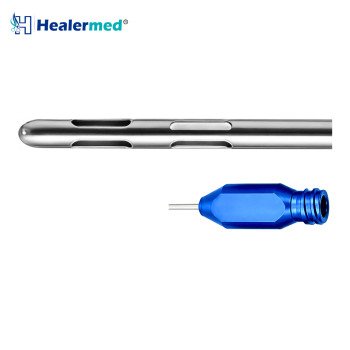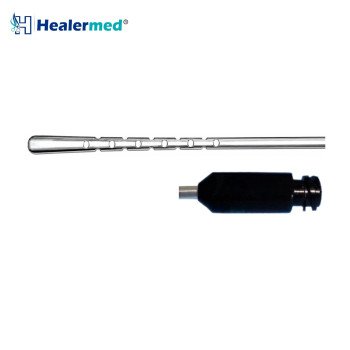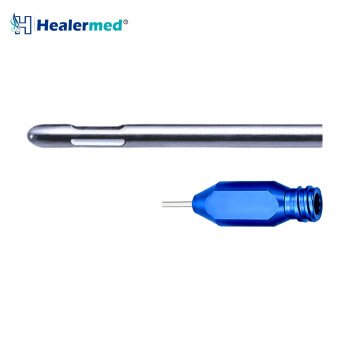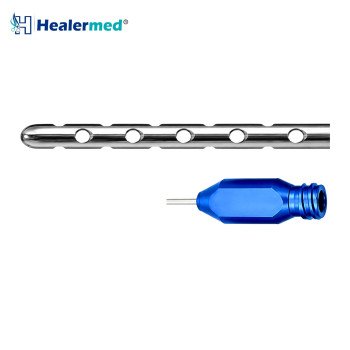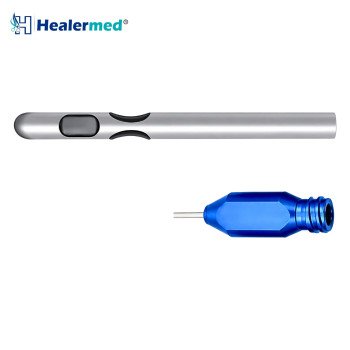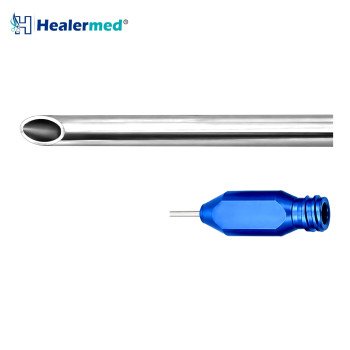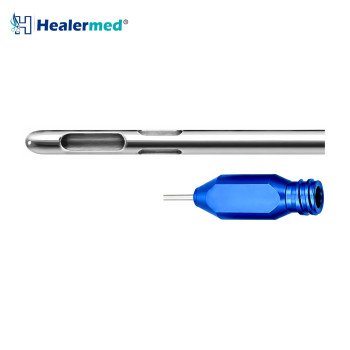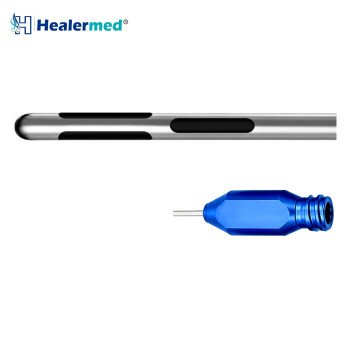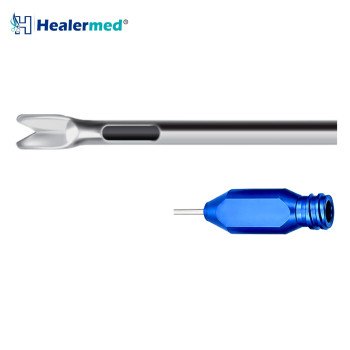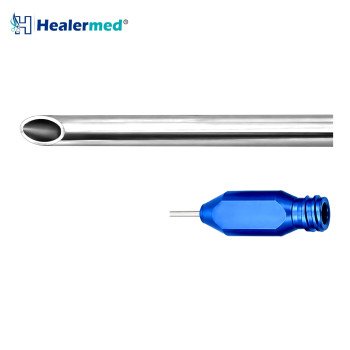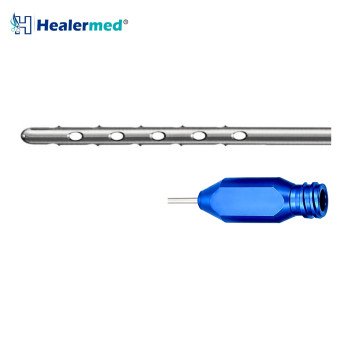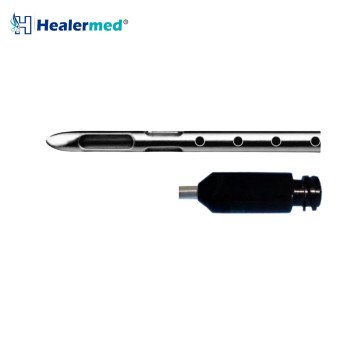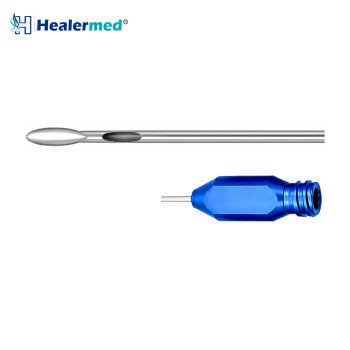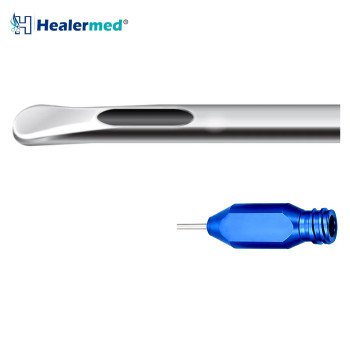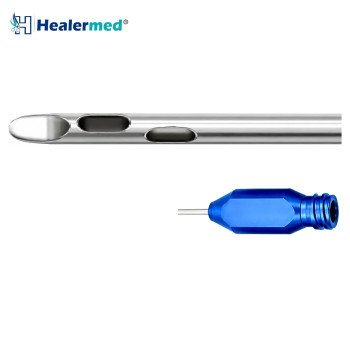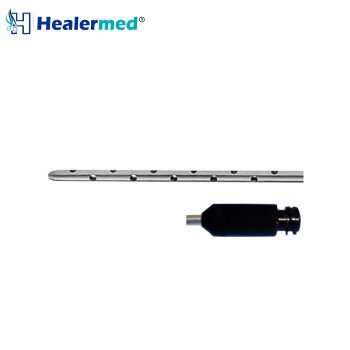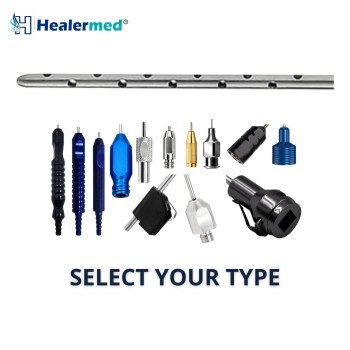

Related Categories
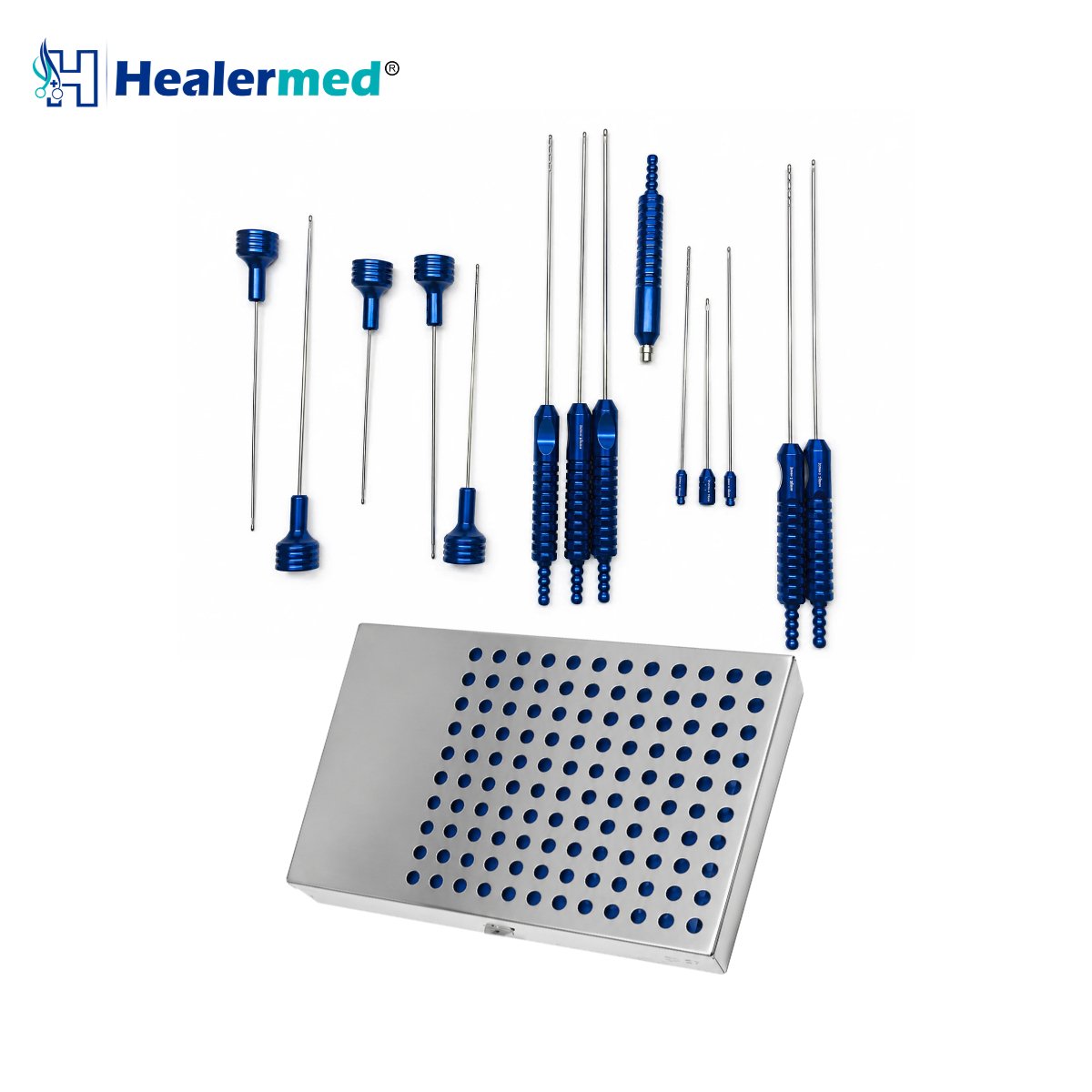
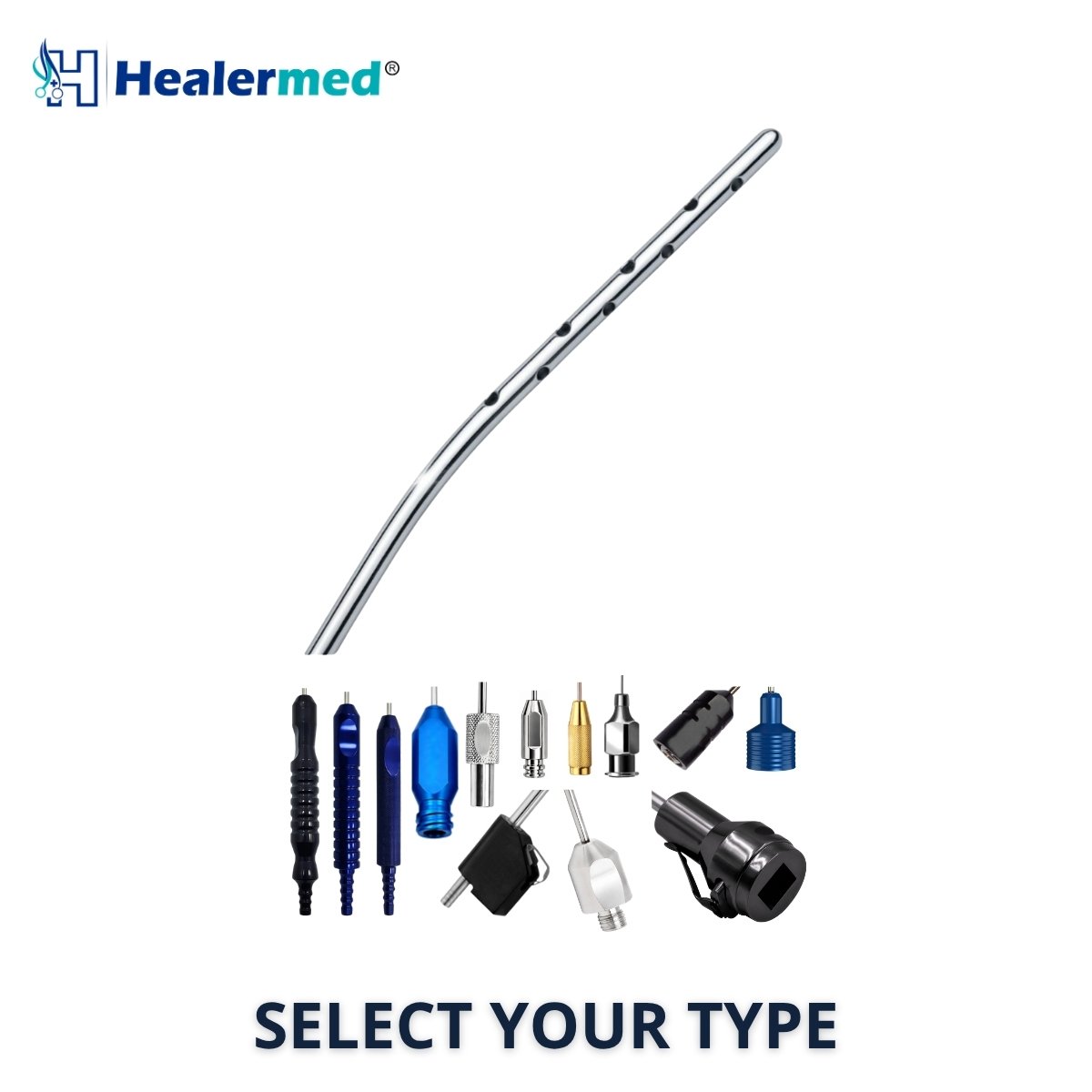
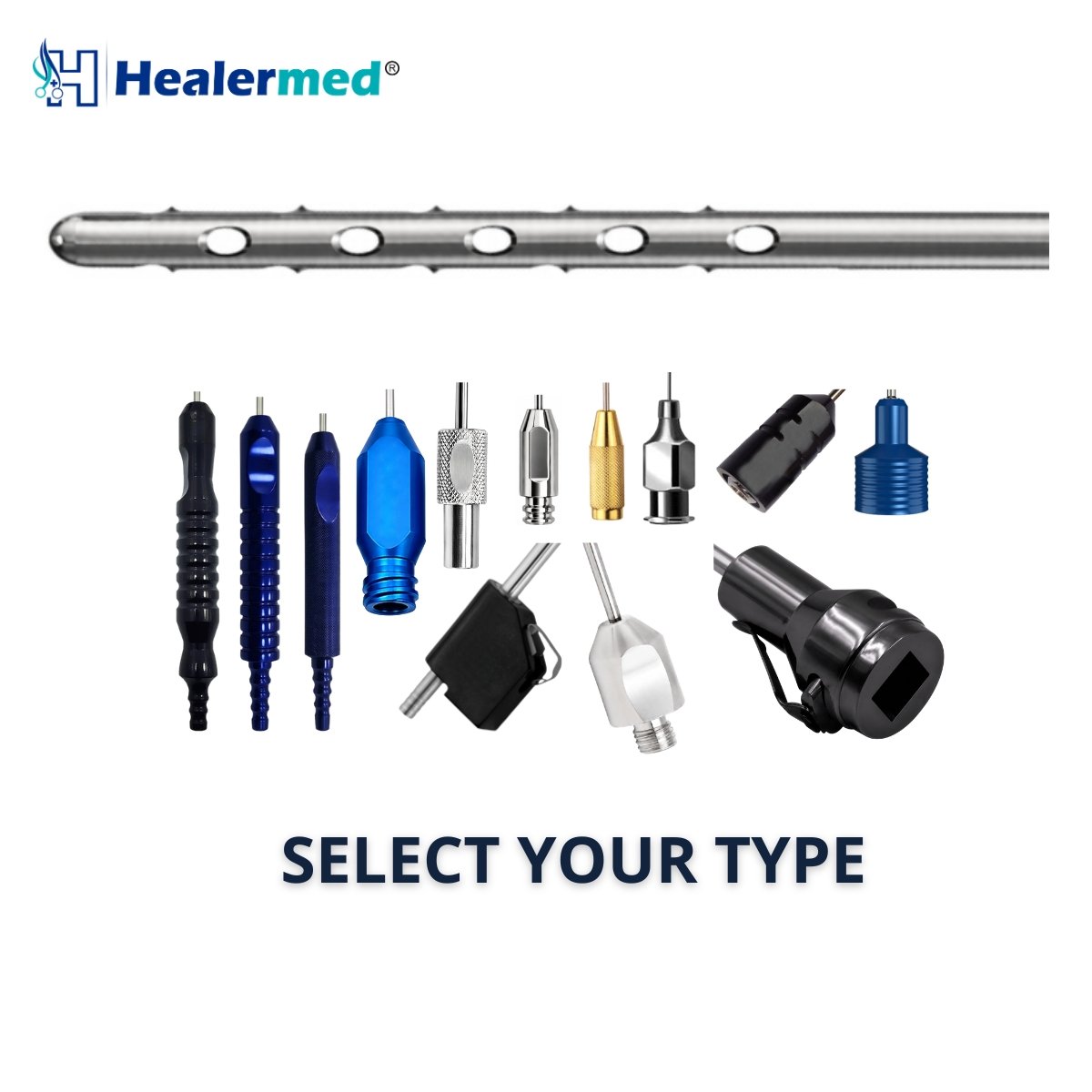
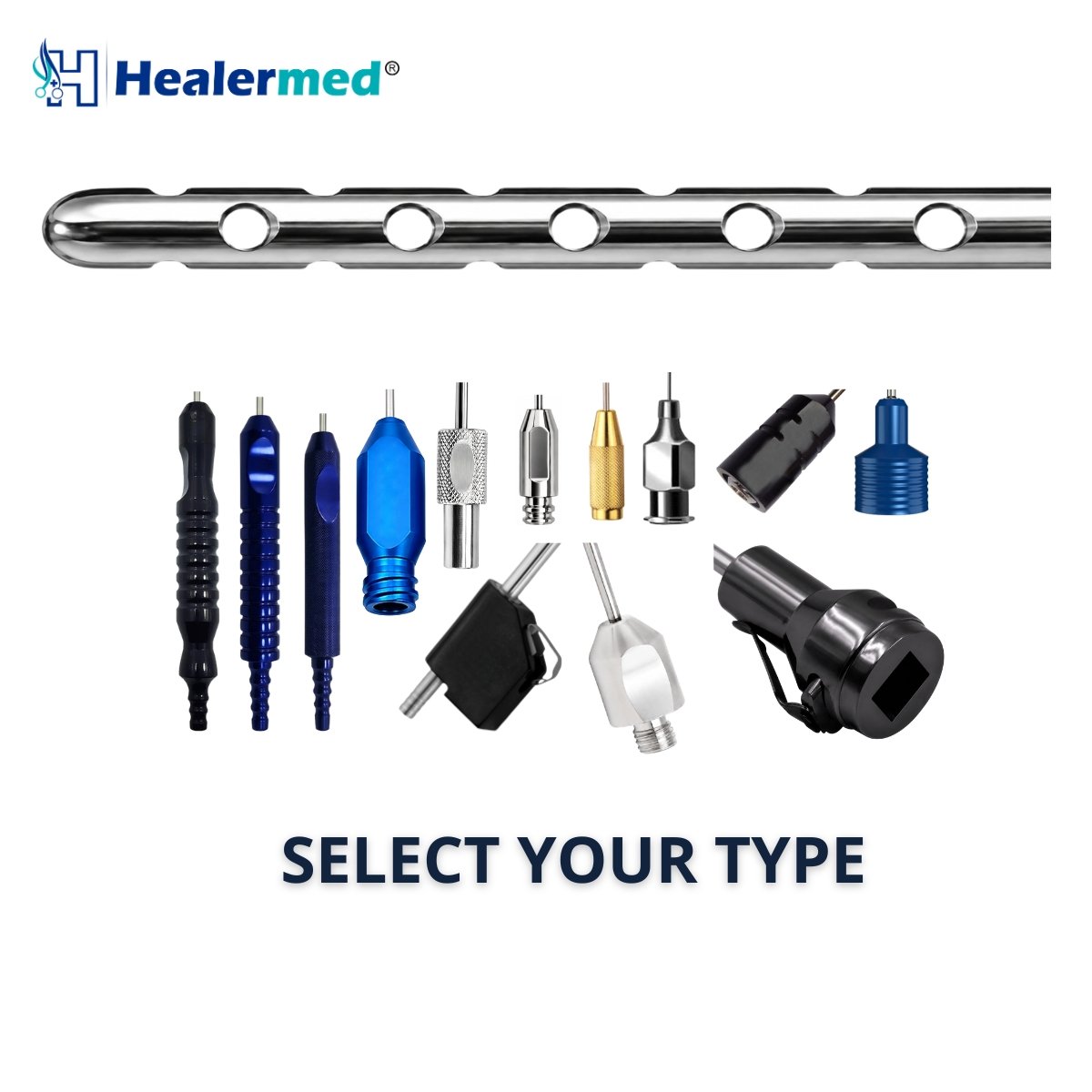
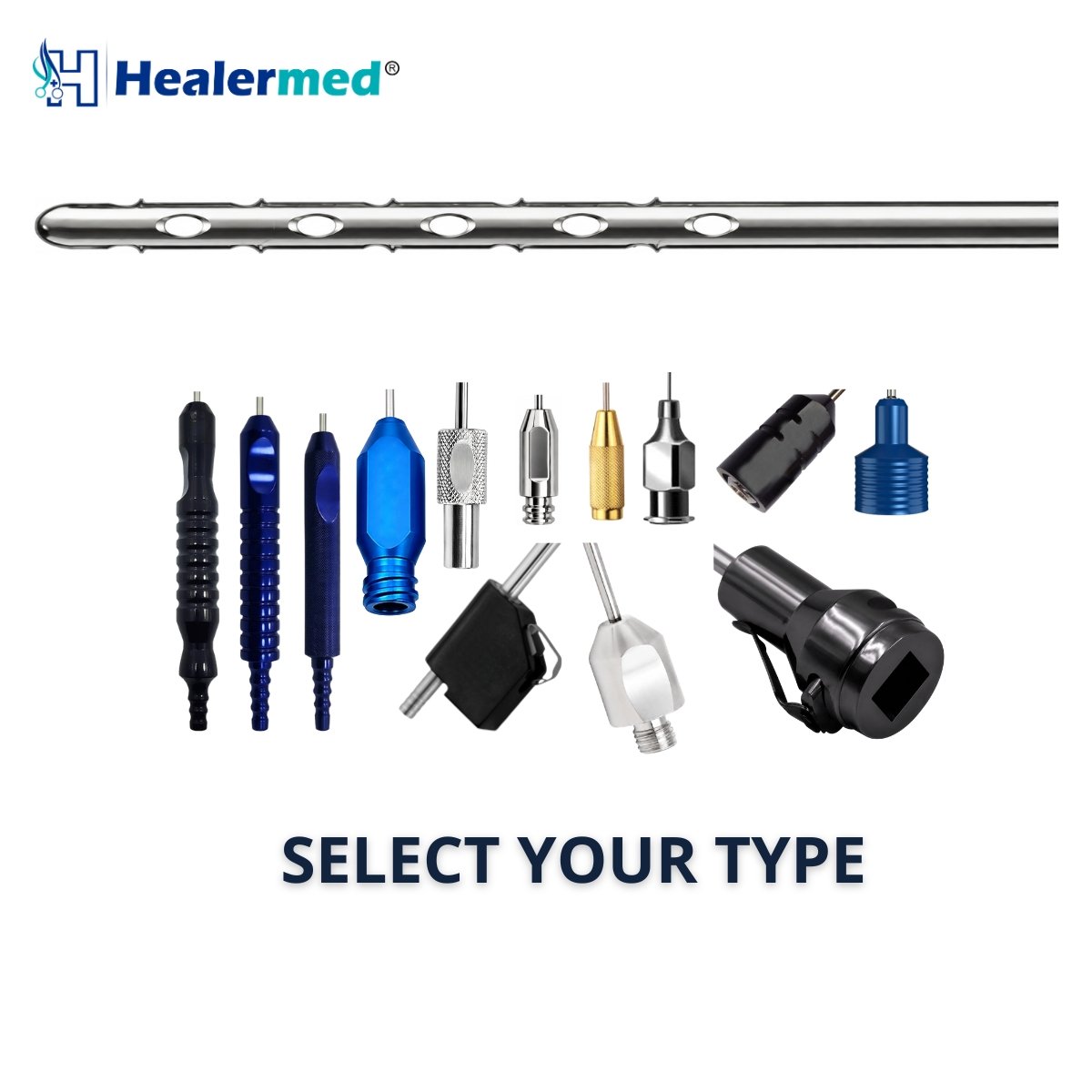
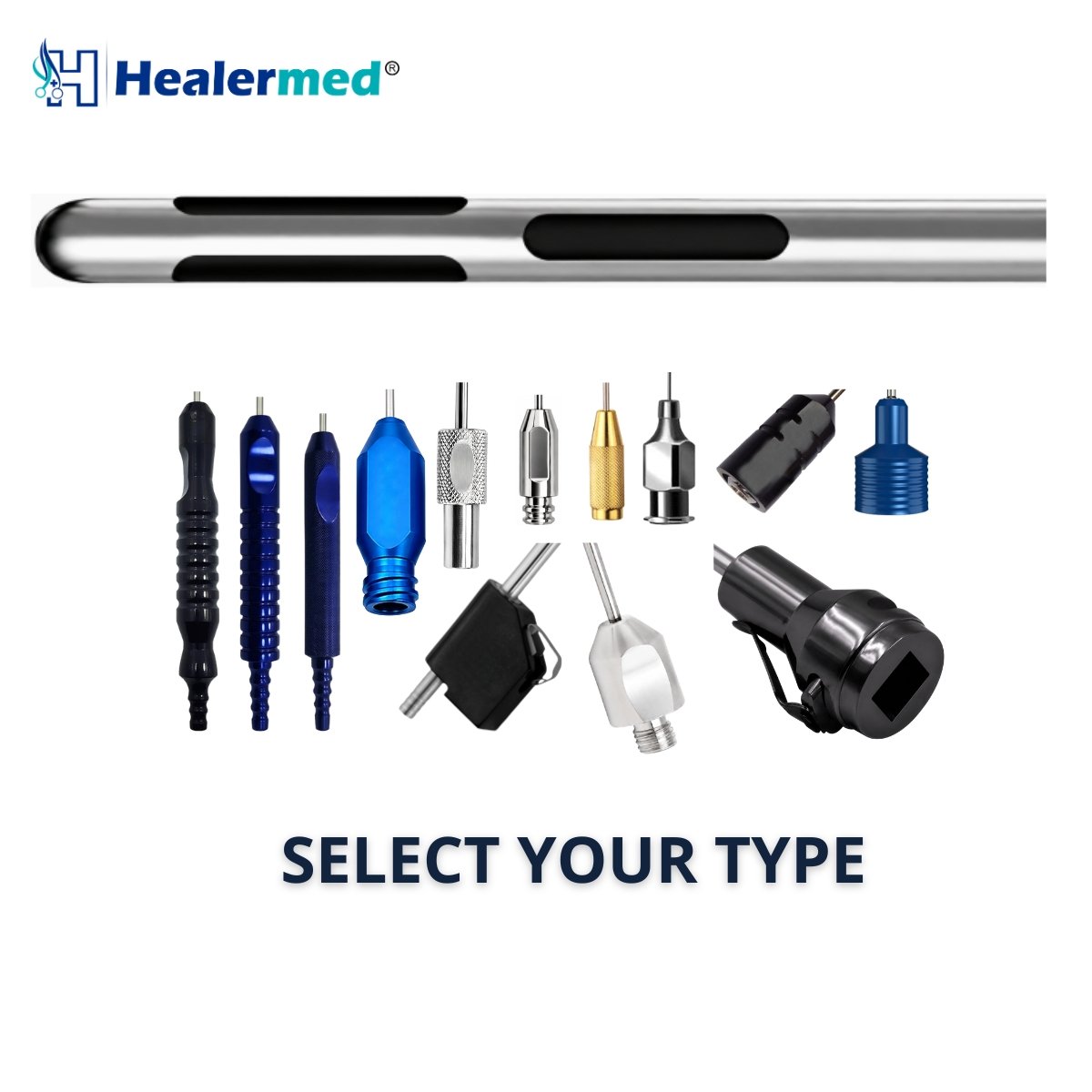
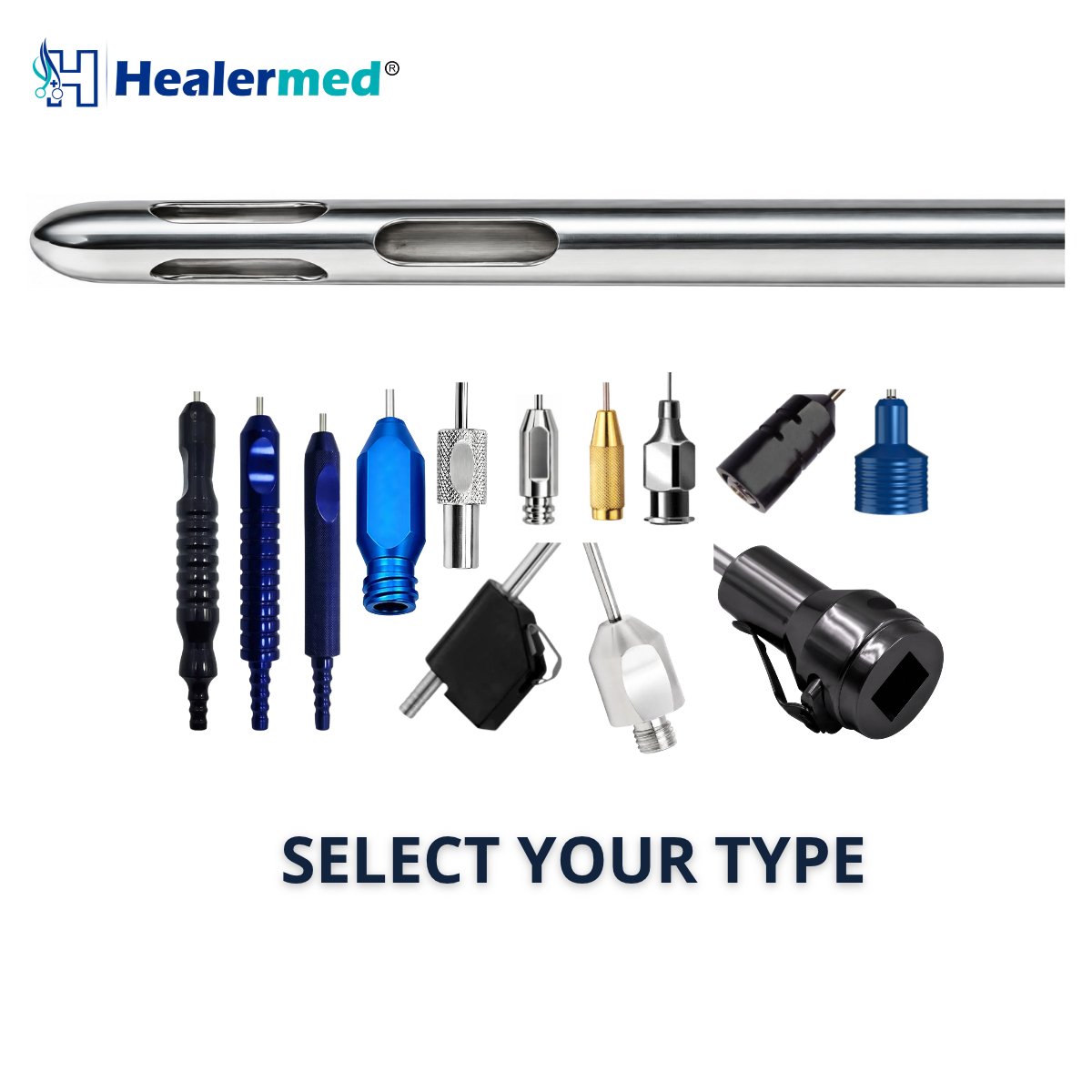
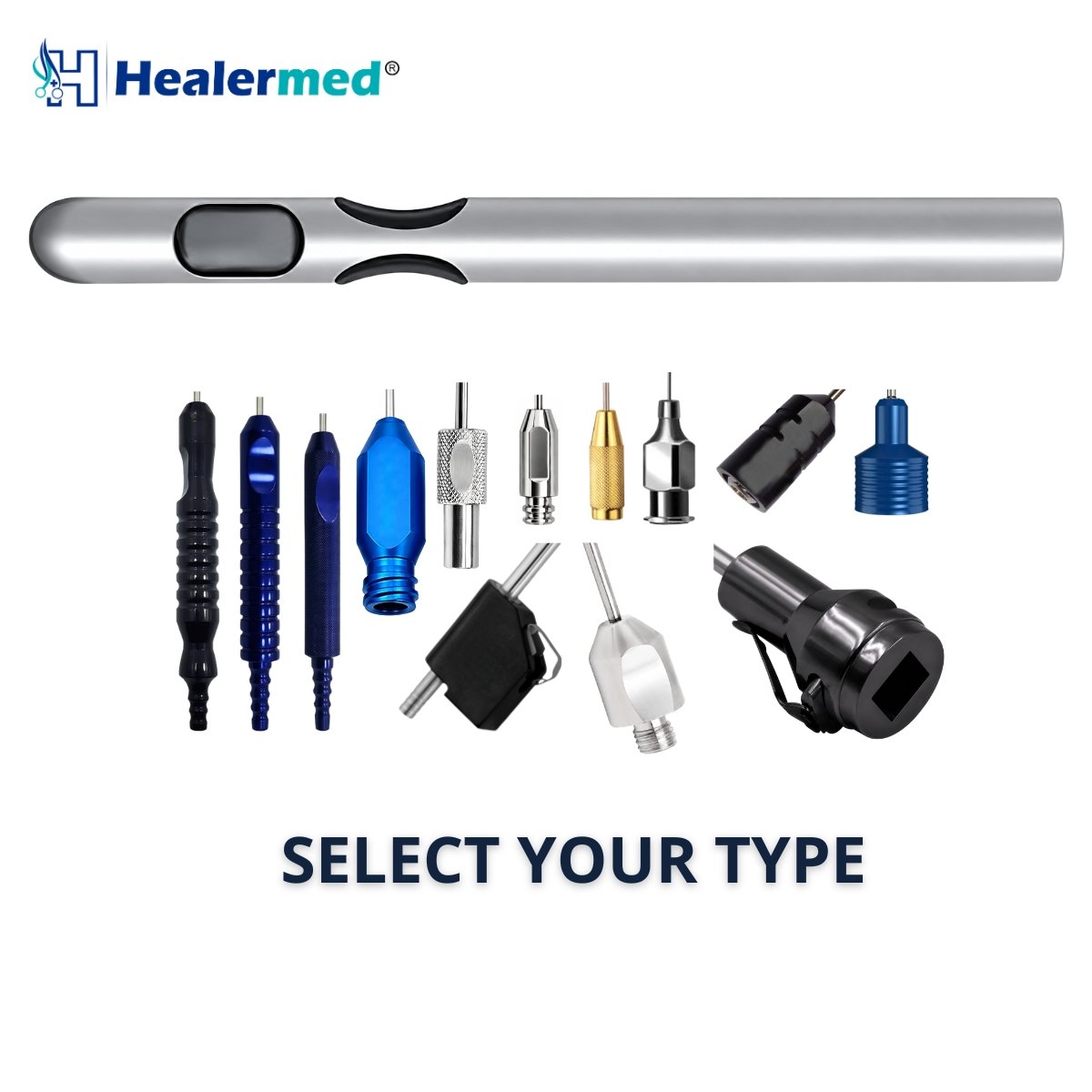
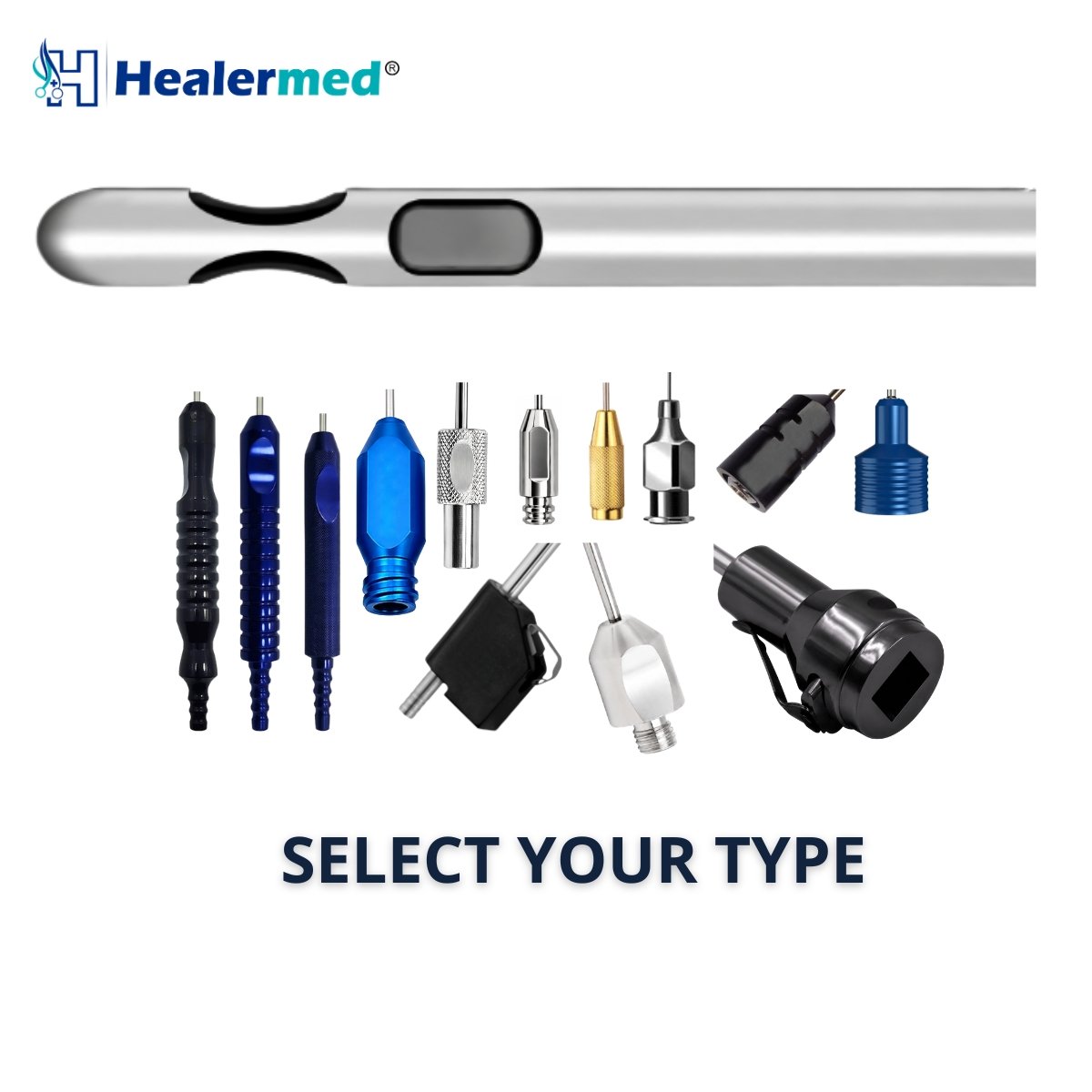
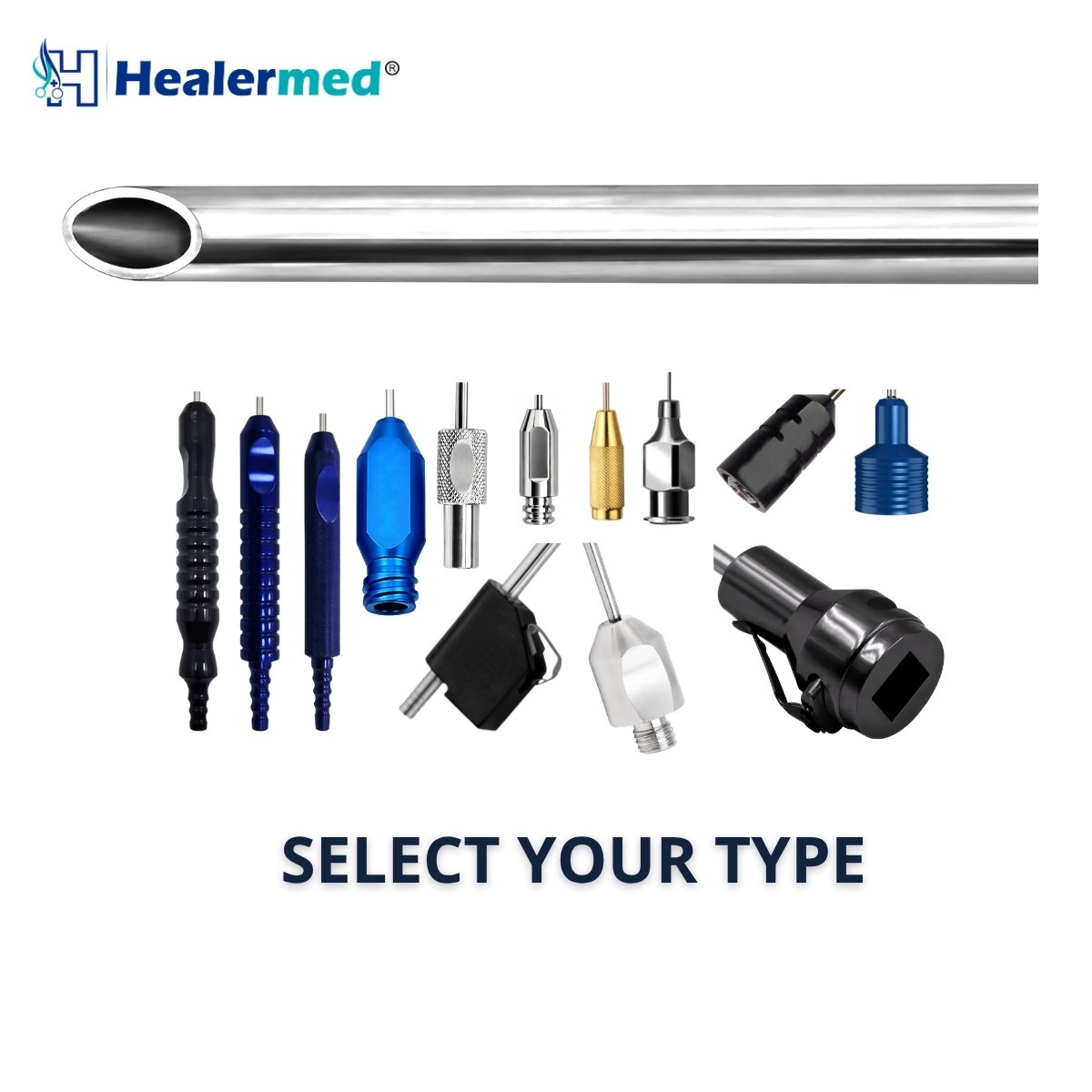
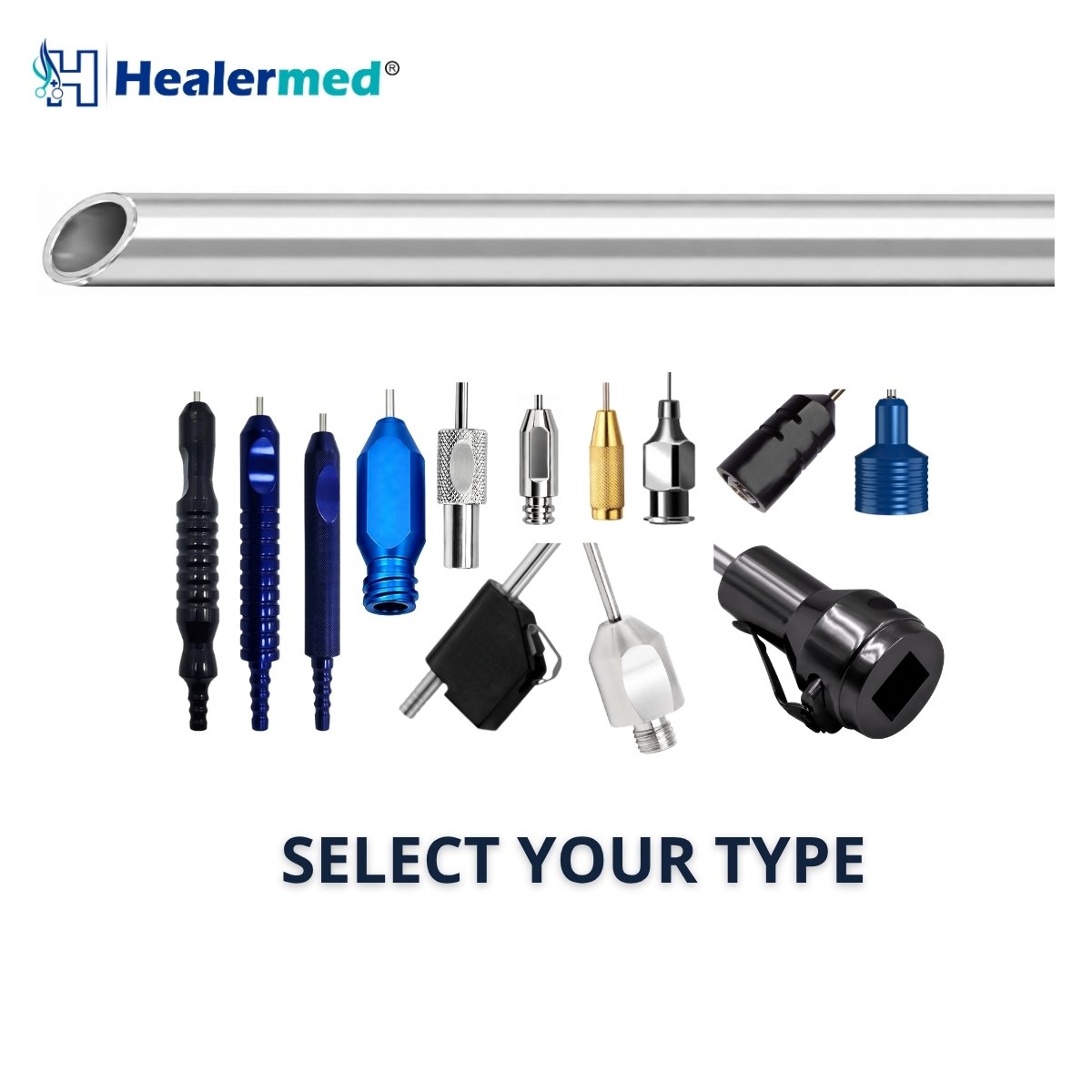
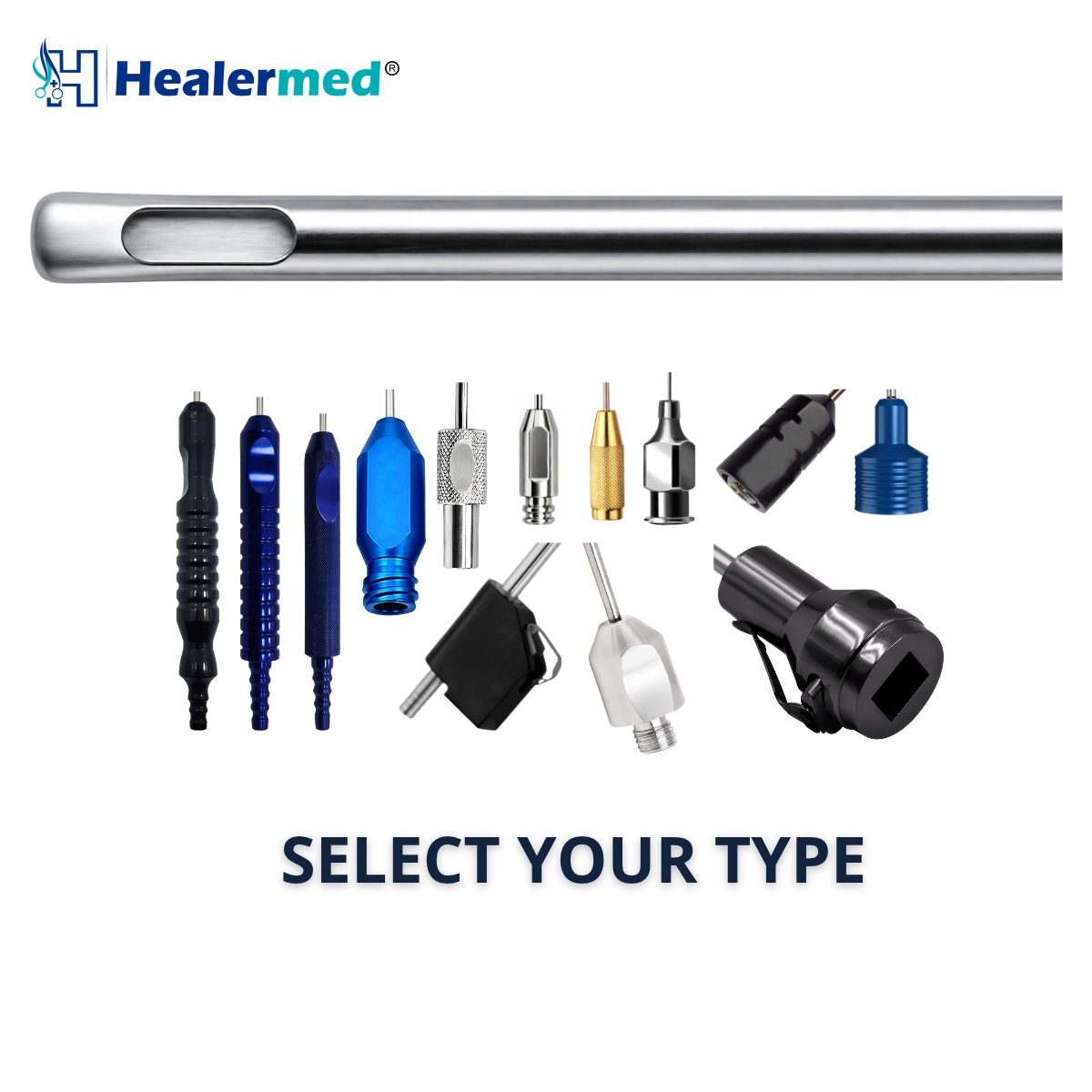
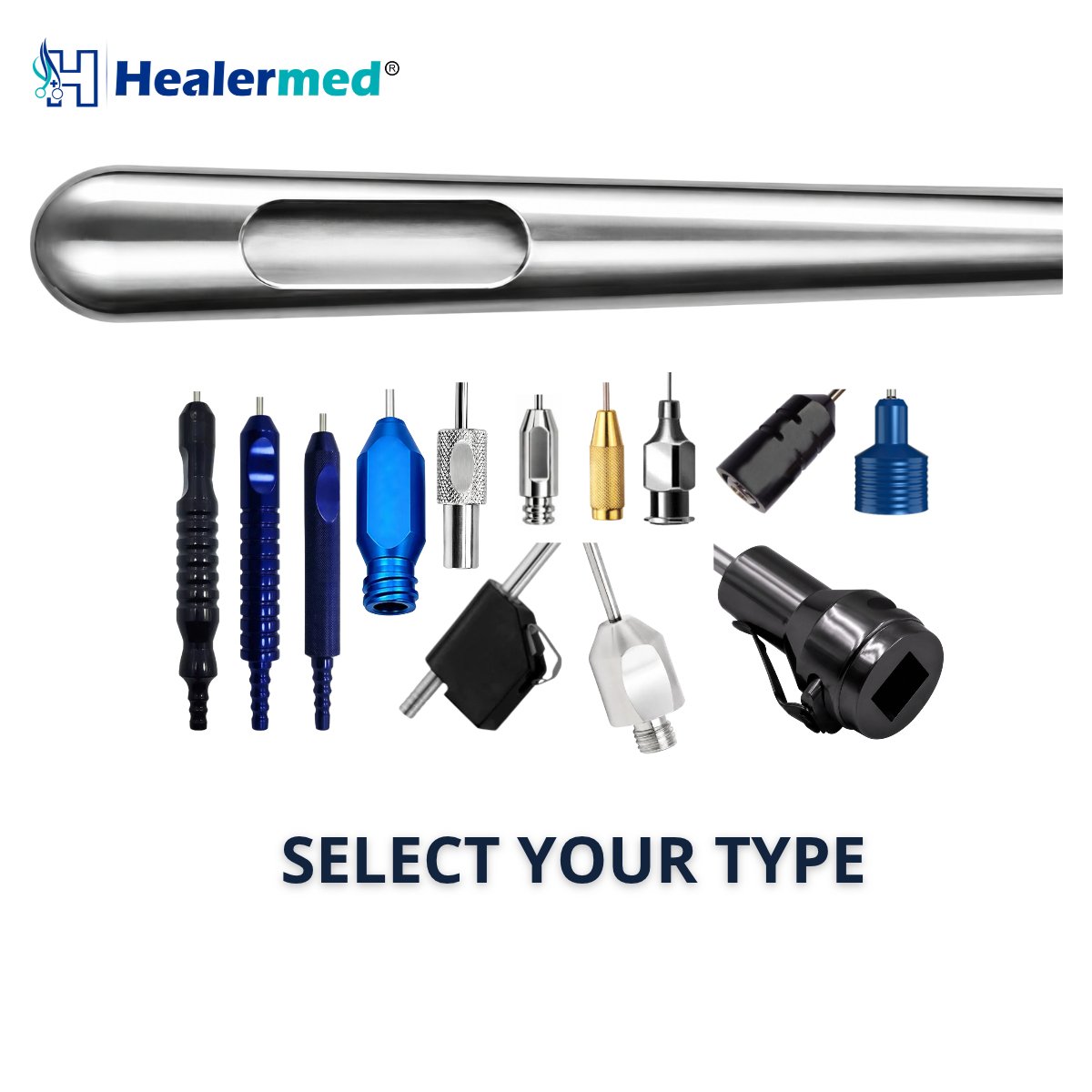
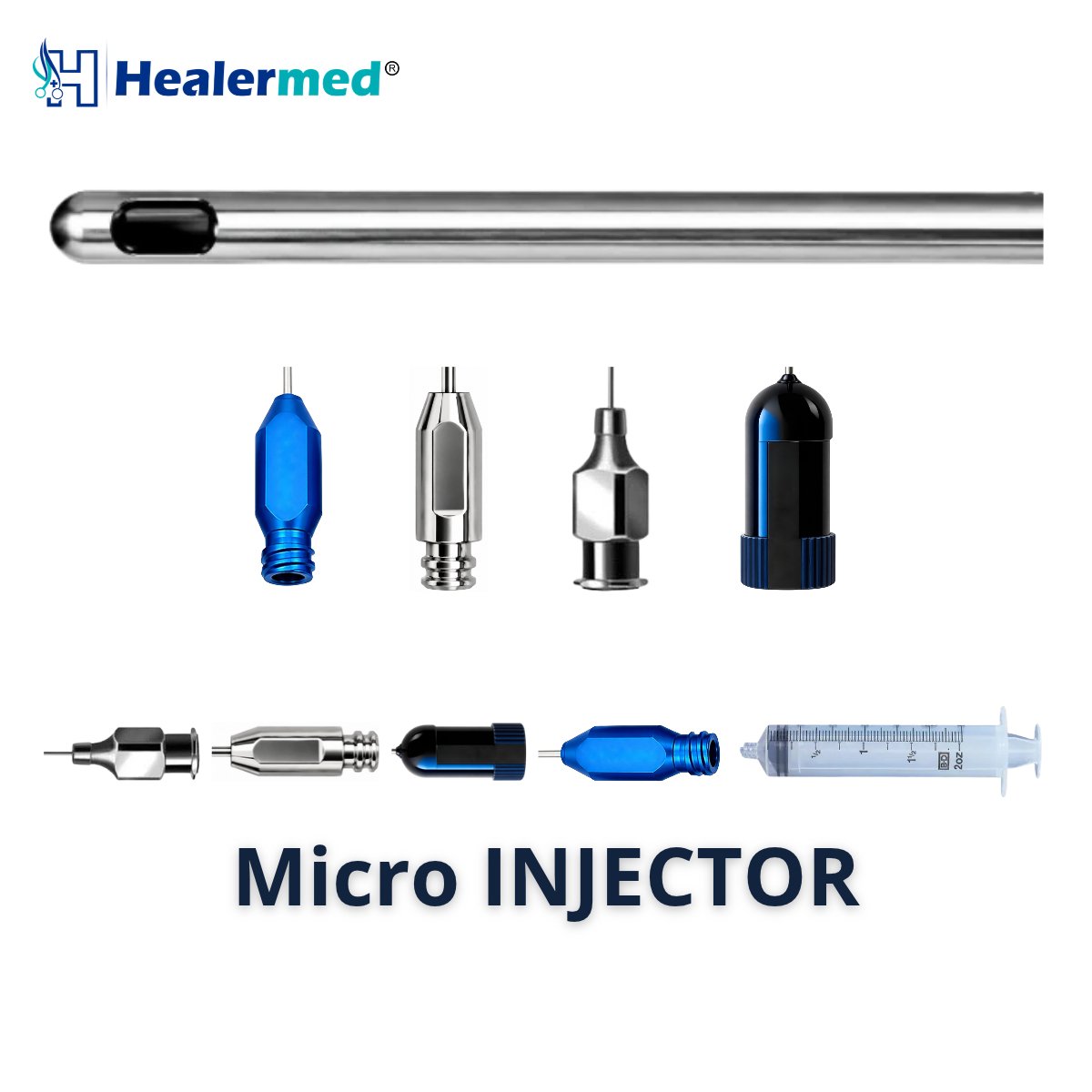
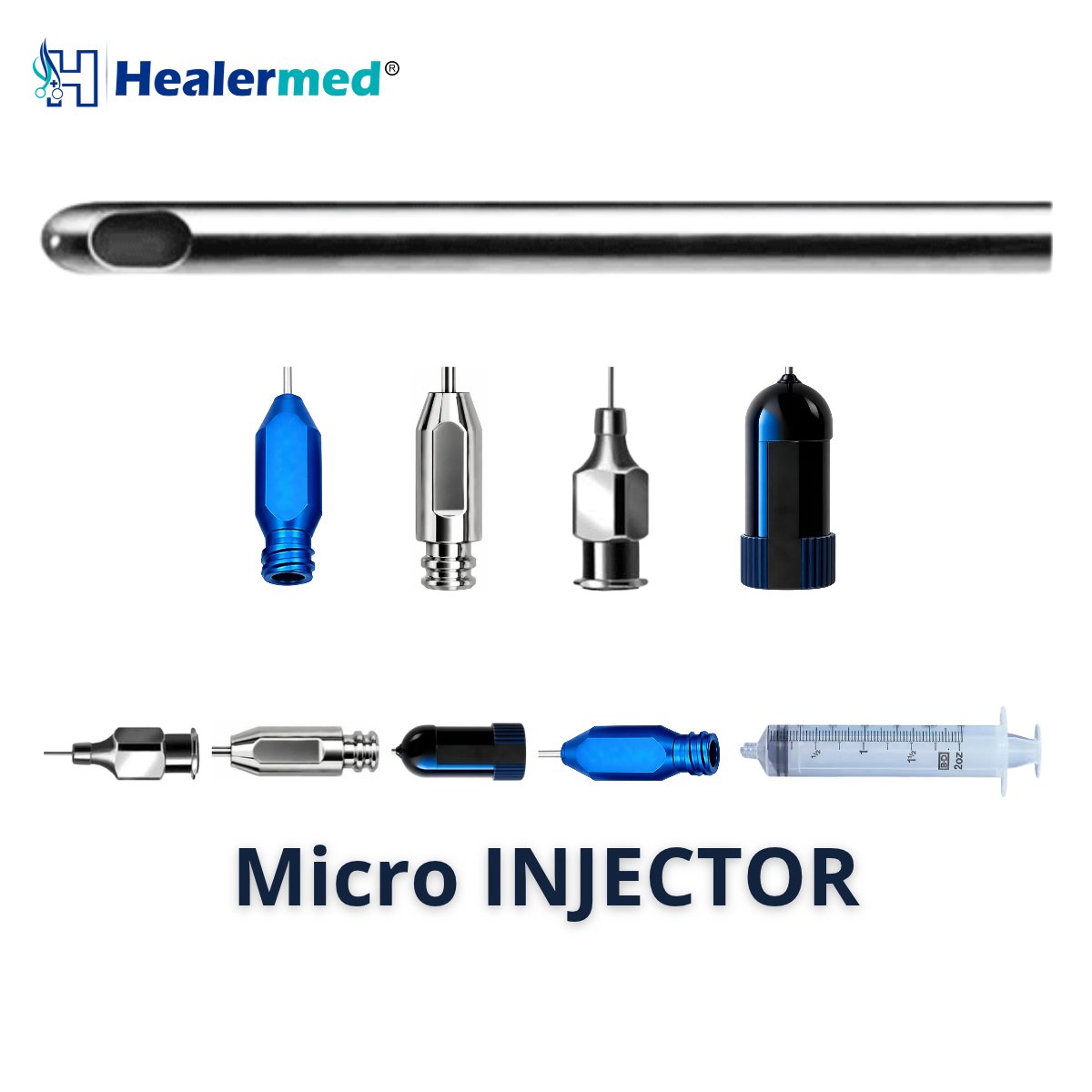
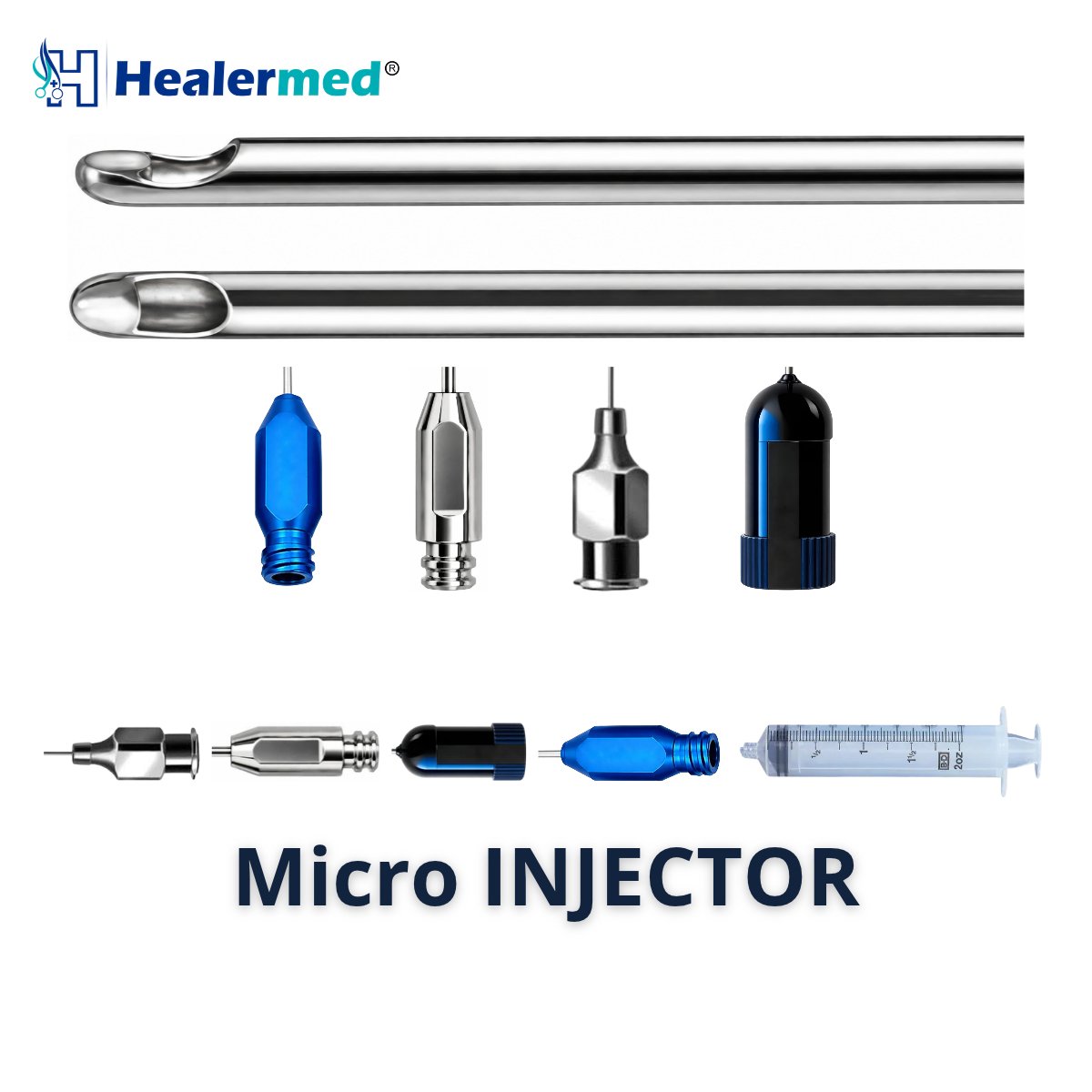
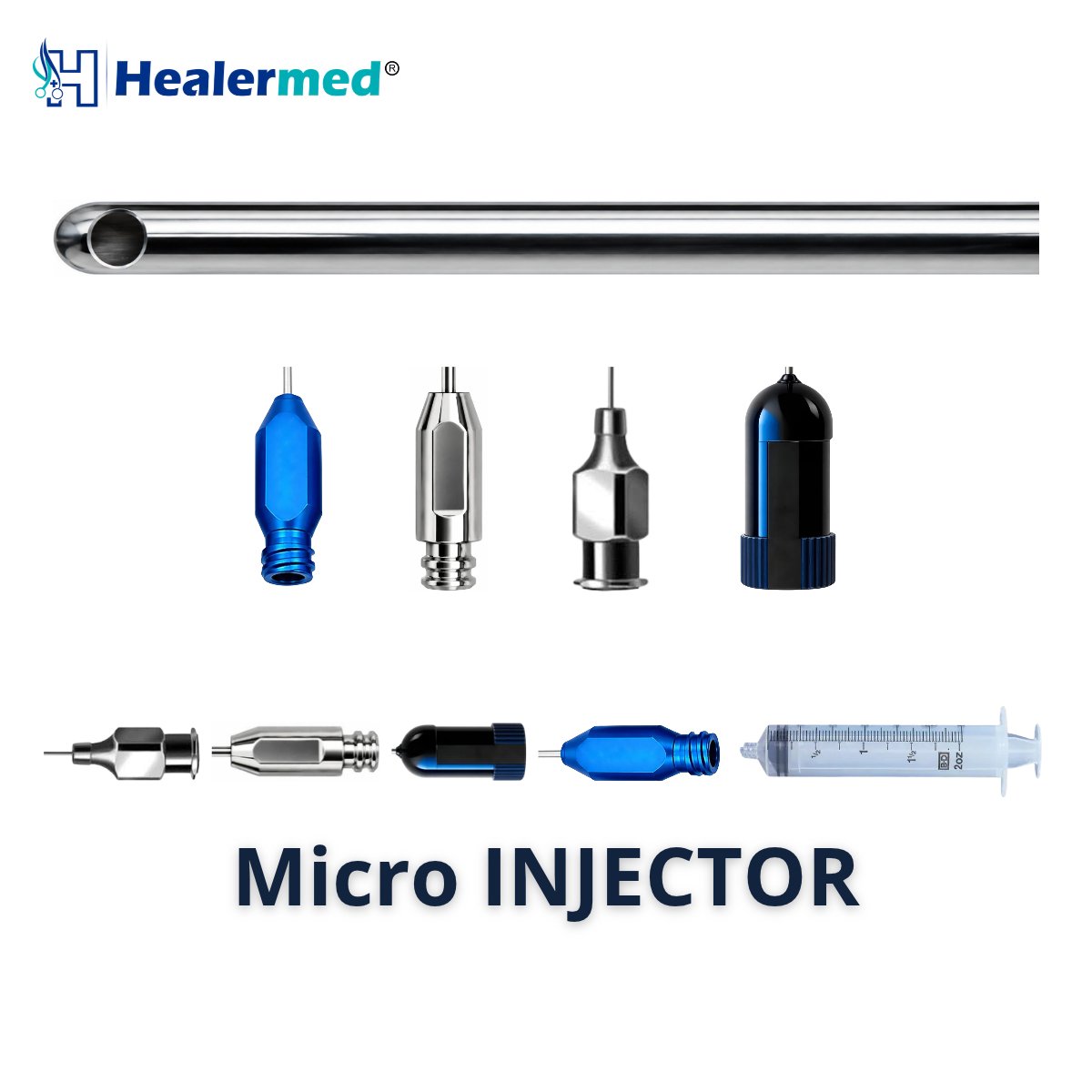
Related Instruments
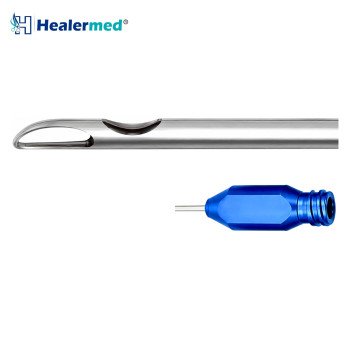
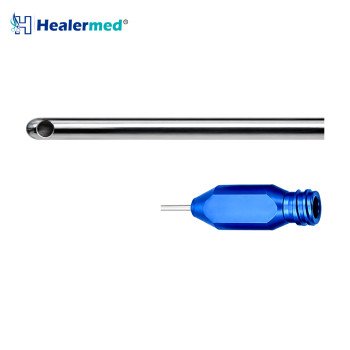
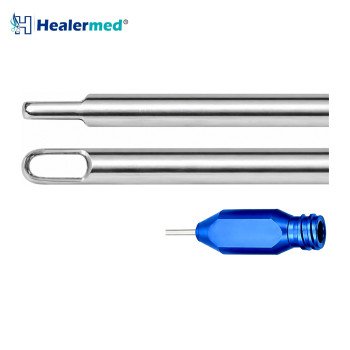
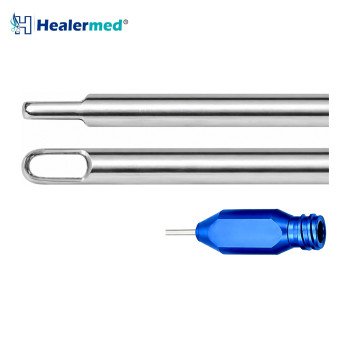
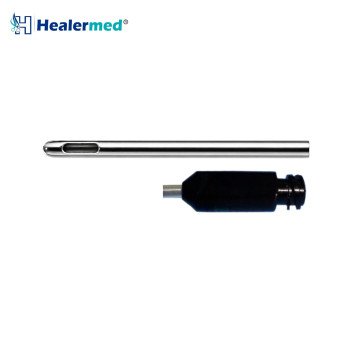
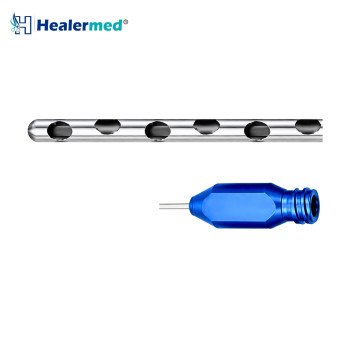
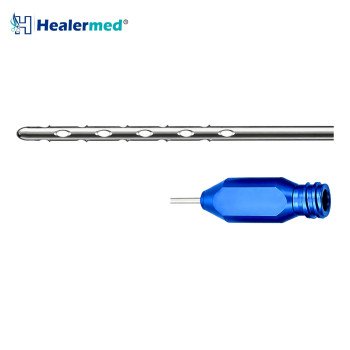
Liposuction Cannulas and Accessories
Manufactured in Sialkot, Pakistan · German stainless steel · FDA CGMP, ISO 13485, ISO 9001, CE Mark
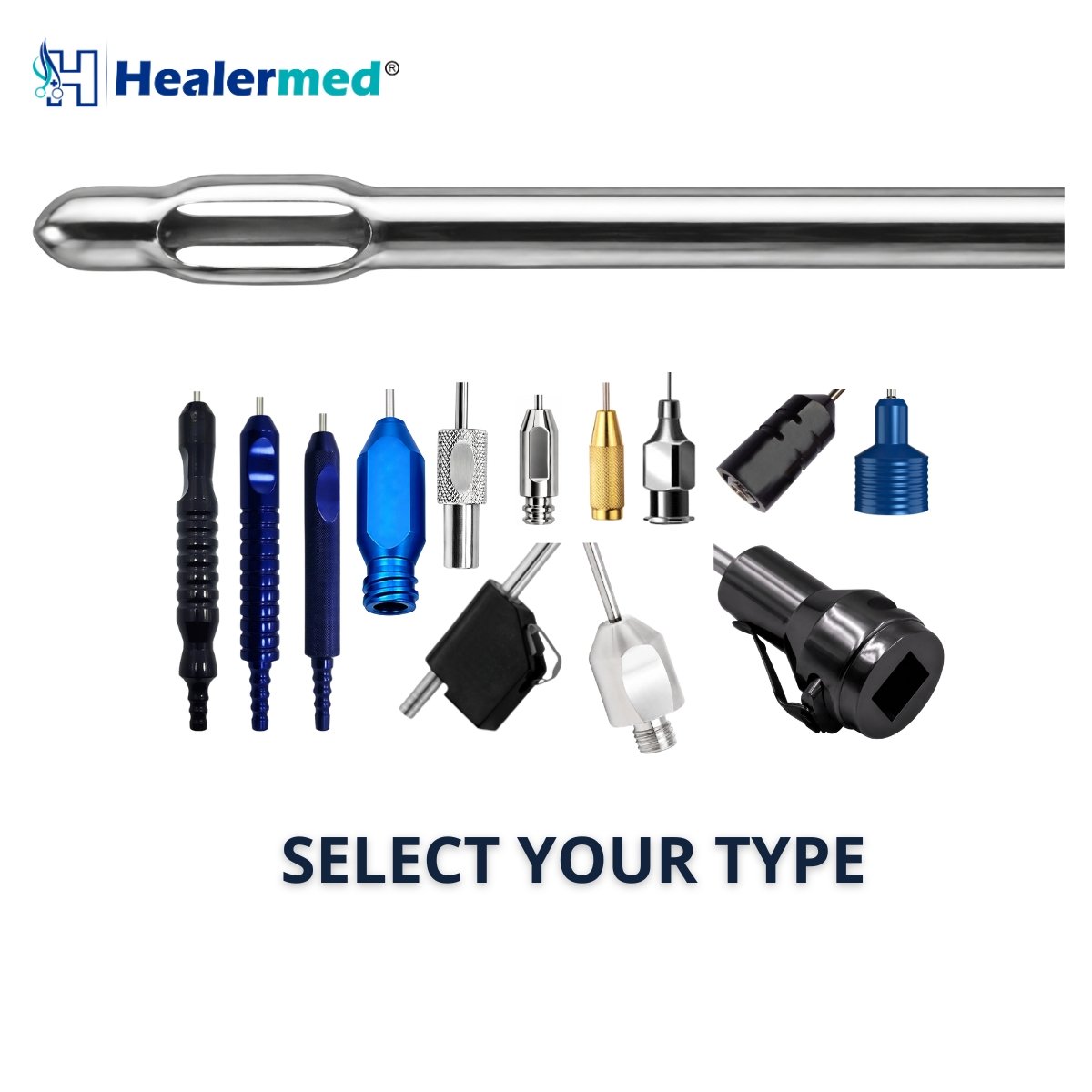
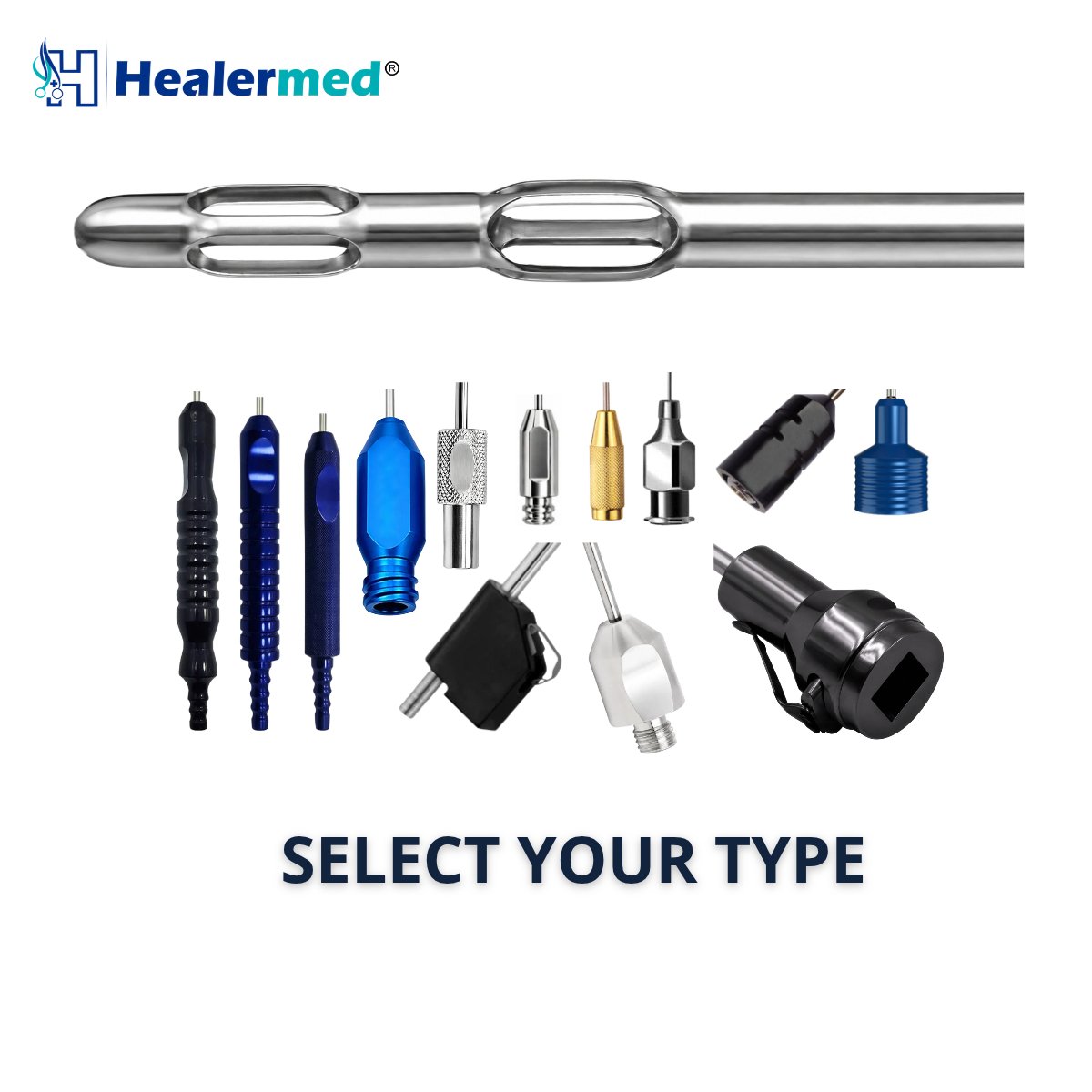
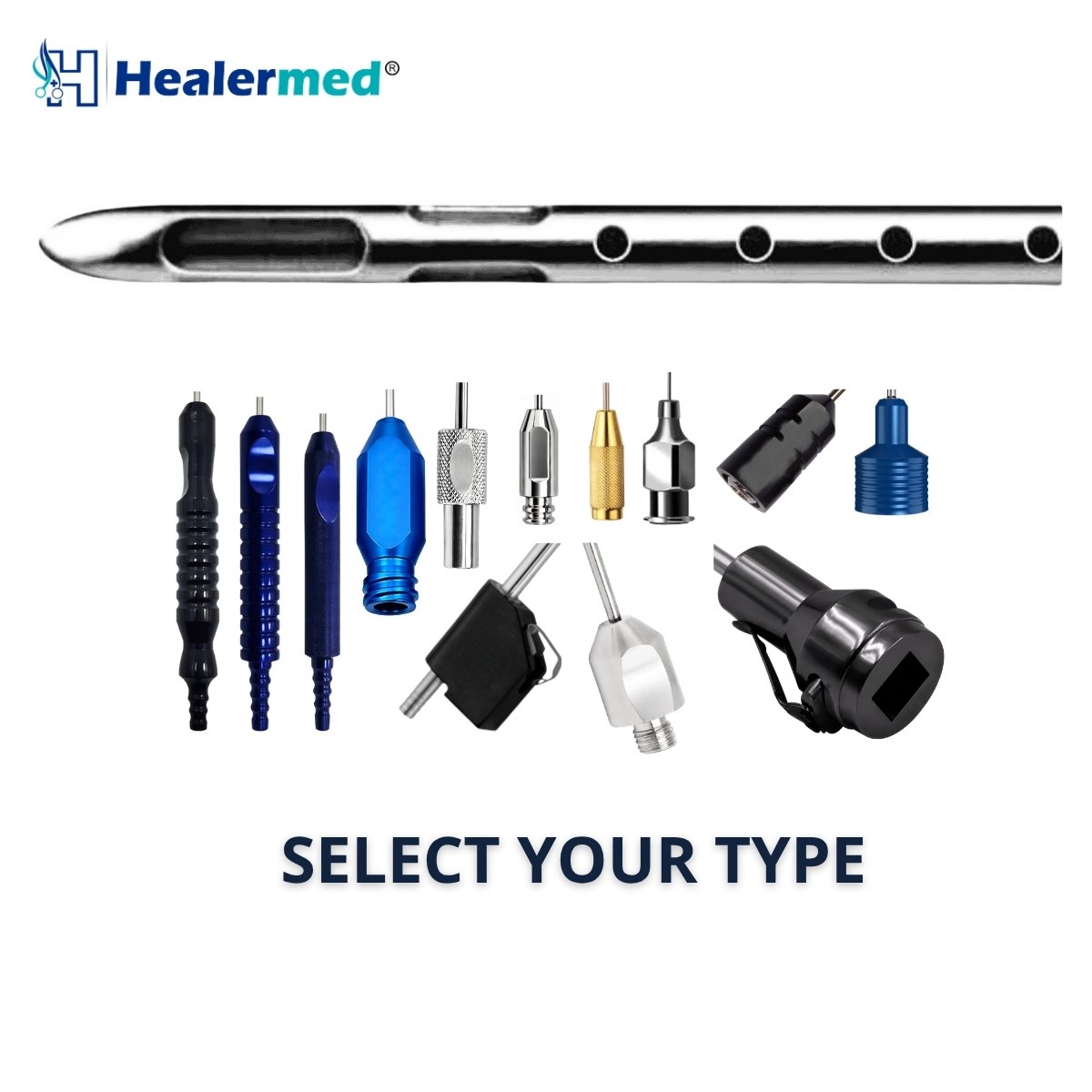
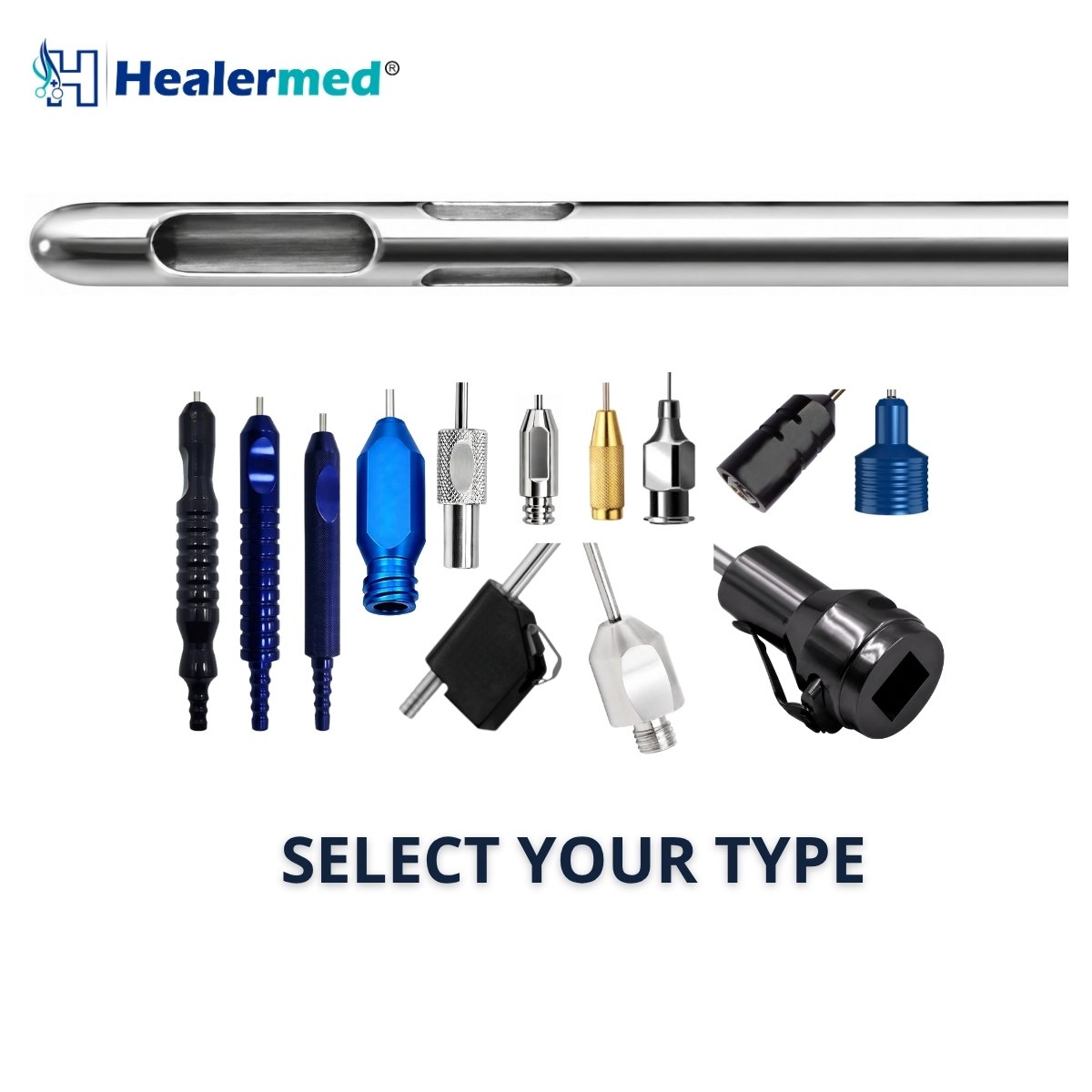
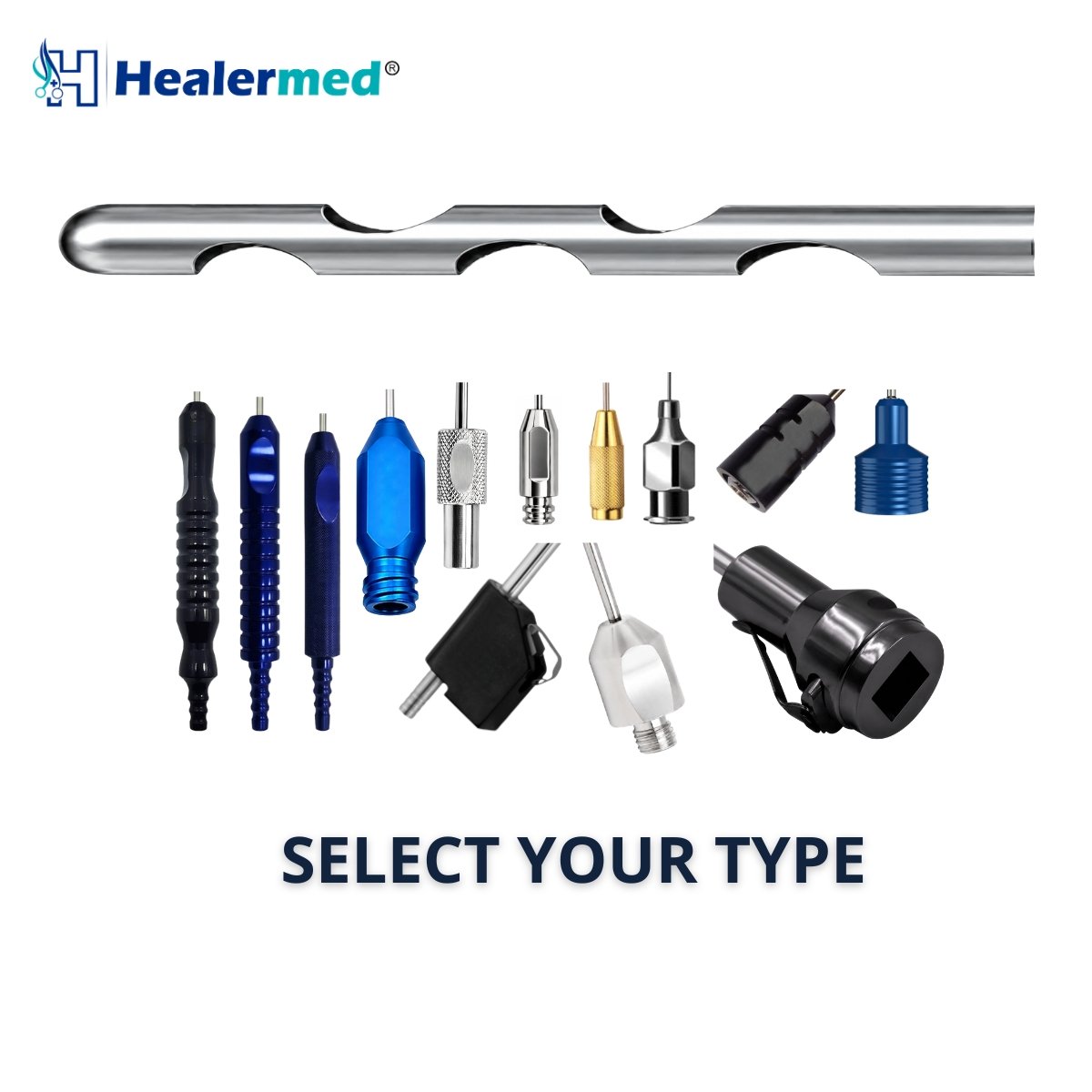
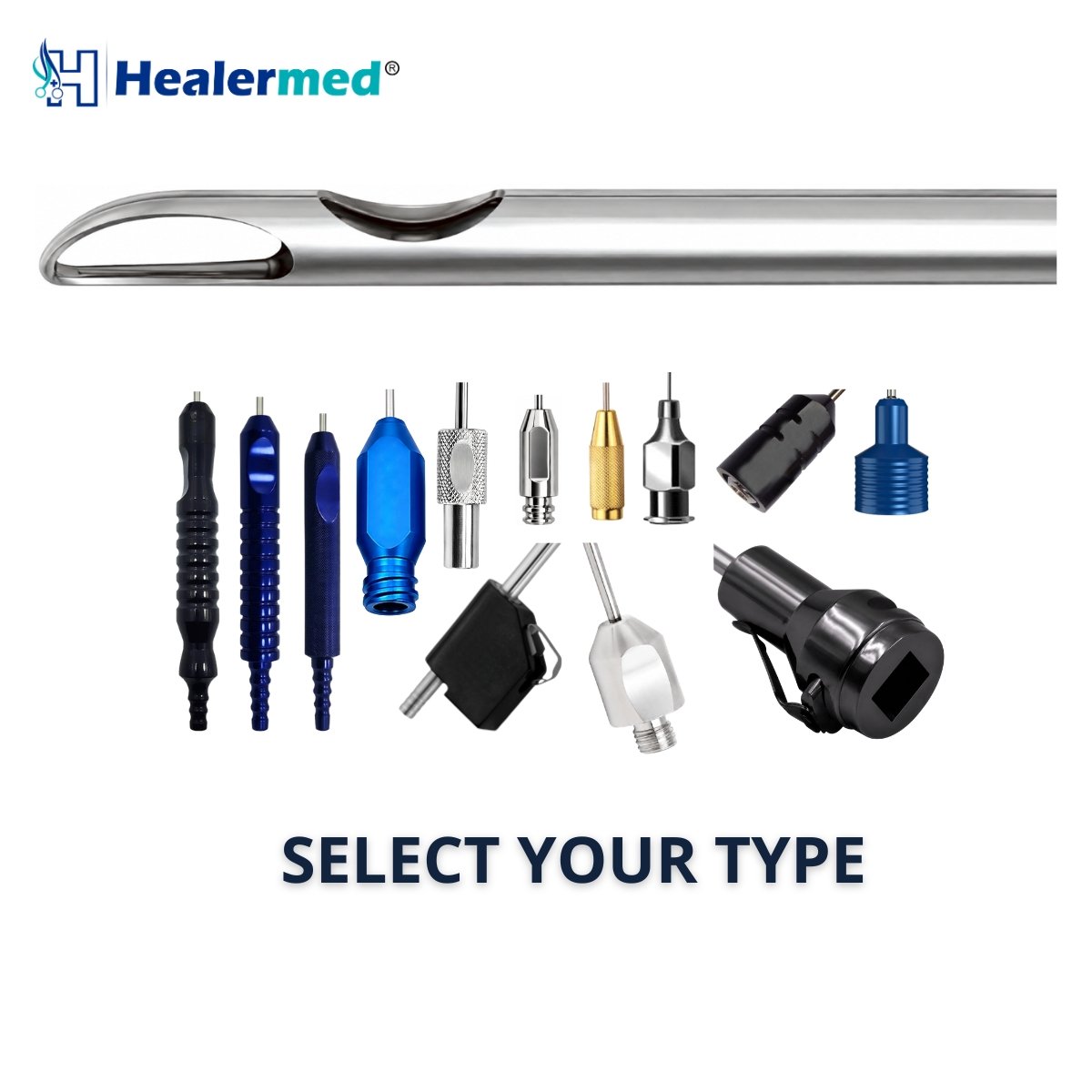
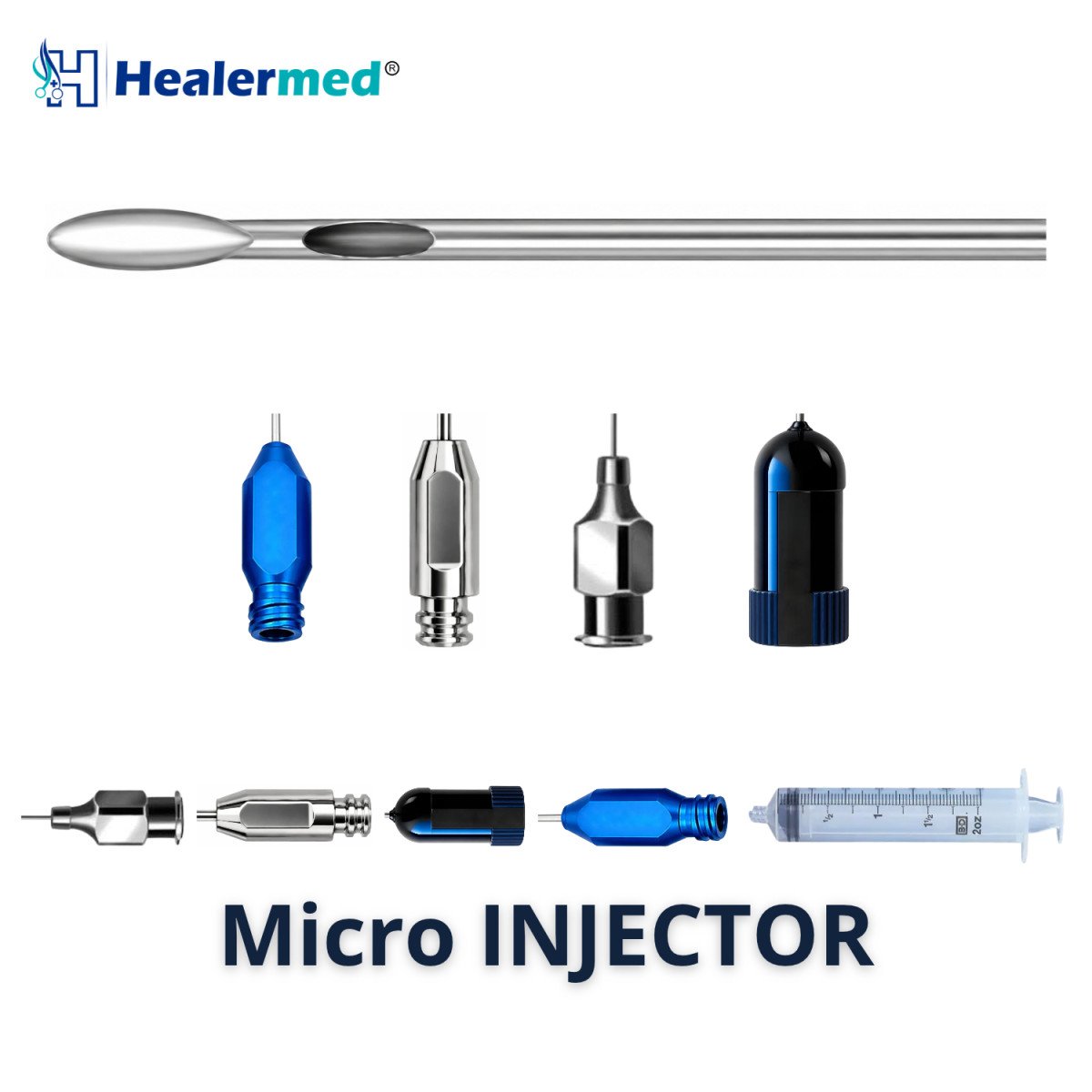
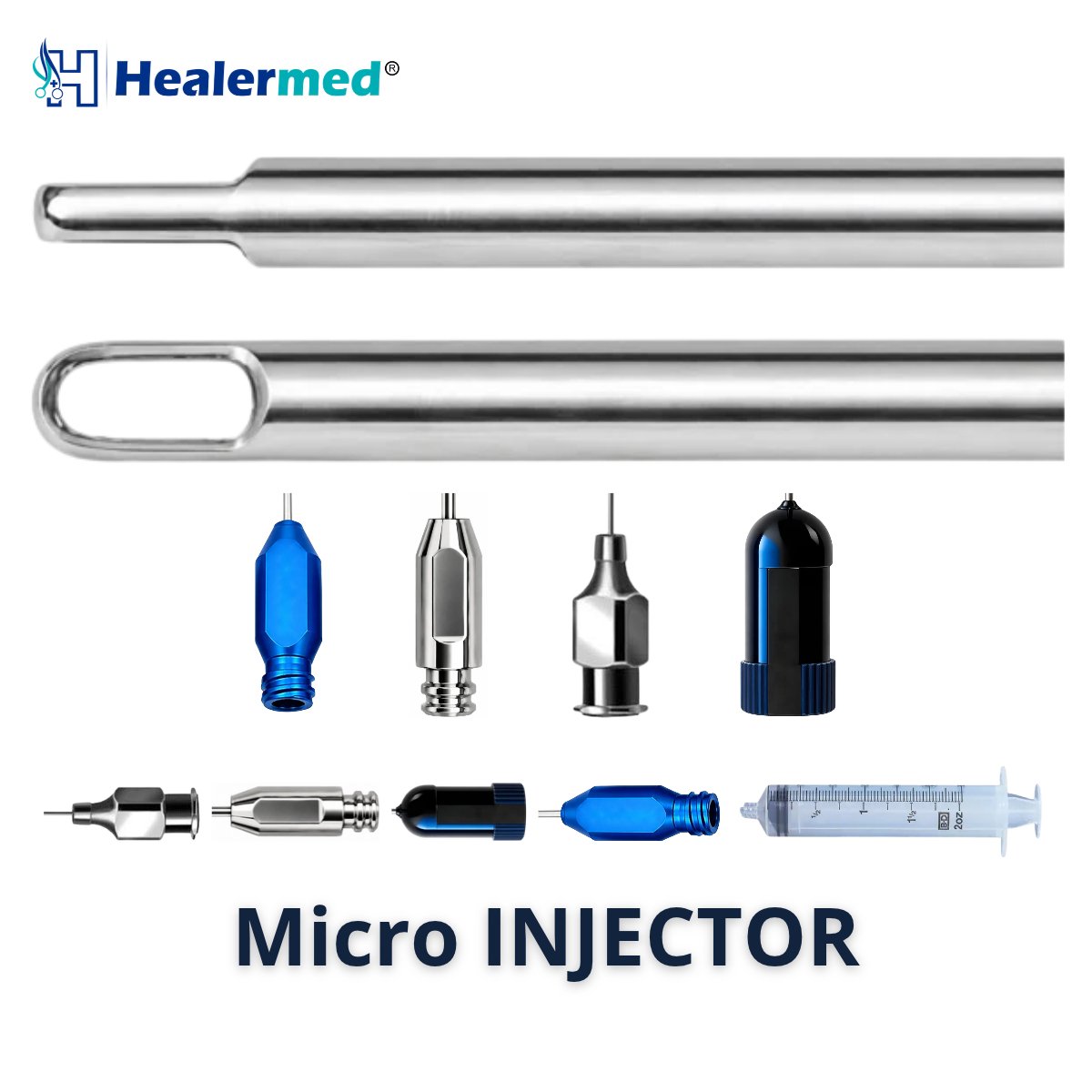
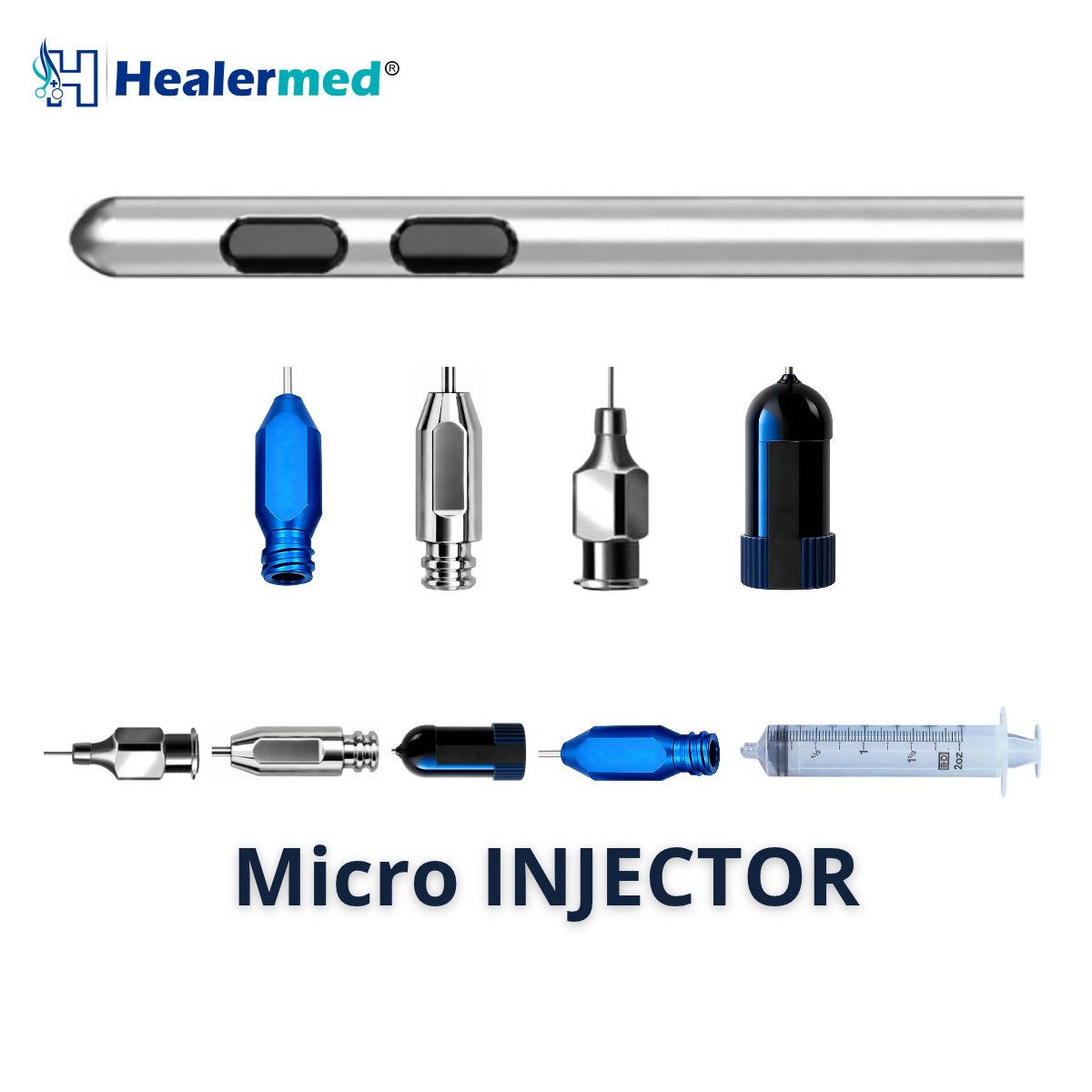
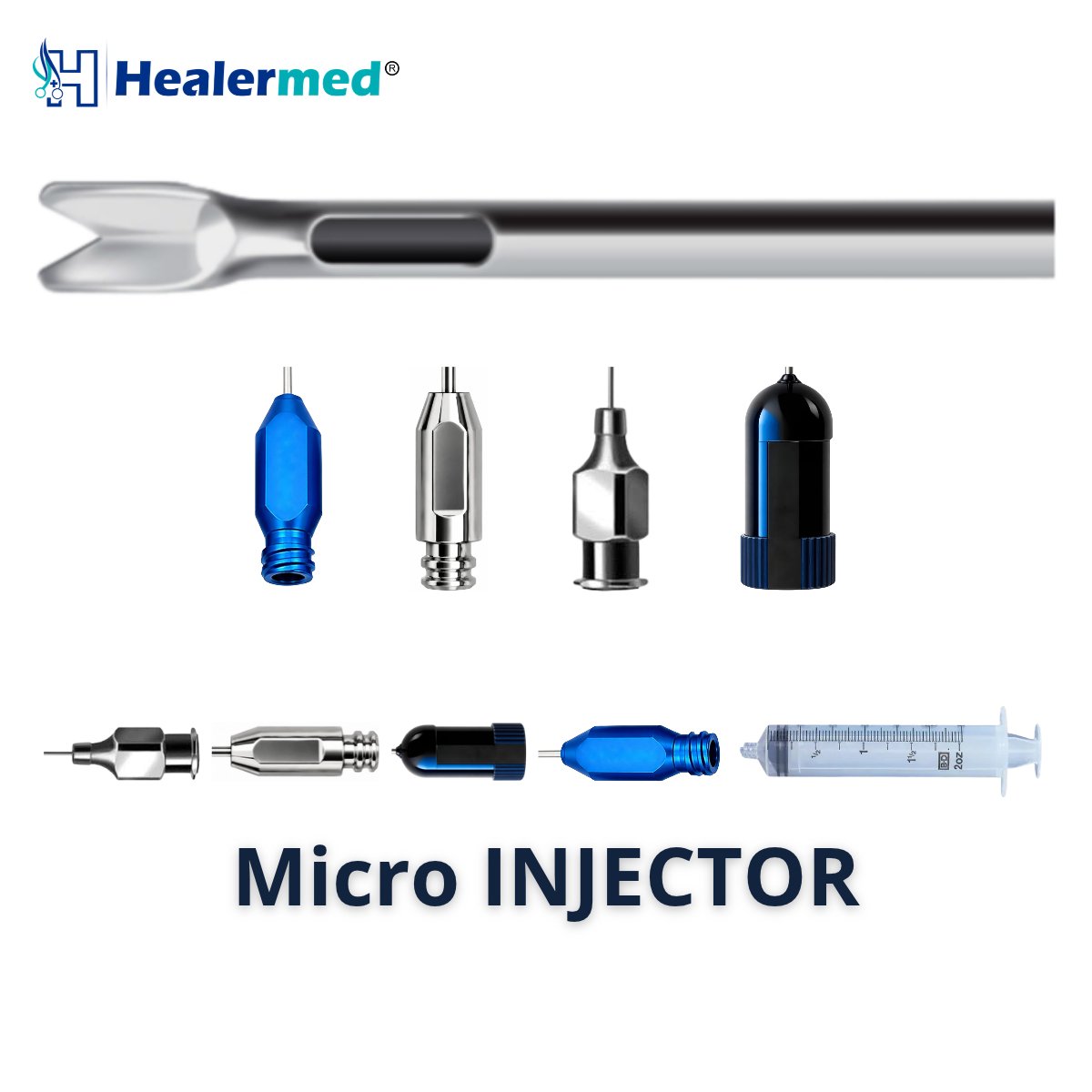
Healermed Instruments manufactures the complete range of liposuction cannulas — infiltration, harvesting, aspiration, dissection and fat injection — in German stainless steel, in every diameter and working length a body contouring or fat transfer case needs. Every pattern below is made in up to thirteen hub fittings, so the same liposuction cannula is available for a Luer lock syringe, a Toomey hub, a reusable handle or a power-assisted handpiece.
This page is the index to that range. Each liposuction cannula family below is listed with what it actually does in a case, so the choice is made on behaviour rather than on a photograph of a tip.
At a Glance
- Range: 53 liposuction cannula and accessory categories
- Instrument types: Infiltration, harvesting, aspiration, dissection, fat injection, accessories
- Fittings: Up to 13 hub types per cannula, including power-assisted and laser handpieces
- Material: German stainless steel, passivated
- Sterilization: Fully reusable, steam autoclavable to 134°C
- Buyers: Surgeons and clinics online · distributors, importers and hospital groups in bulk
- Manufacturer: Healermed Instruments, Sialkot, Pakistan
How a Liposuction Cannula Range Is Organised
A liposuction case runs in stages, and each stage needs a different instrument. Buying a set of liposuction cannulas without that structure is how surgeons end up with four versions of the same working cannula and nothing for the stage before or after it.
| 1 | Infiltrate Tumescent fluid goes in first. It firms the tissue, limits bleeding, and makes the fat release more easily when aspiration starts. |
| 2 | Harvest or aspirate Either fat is removed and discarded, or it is collected as graft. The cannula is different depending on which, because a graft has to survive the trip. |
| 3 | Dissect and release Fibrous attachment and scarred planes will not yield to a blunt cannula. A dissector opens the space before aspiration or grafting follows. |
| 4 | Shape Low-port liposuction cannulas take very little per pass. This is the stage the patient sees, and the stage a debulking cannula cannot do. |
| 5 | Inject Graft goes back in through fine blunt injectors, placed in layers rather than deposited in one place. |
The one decision that affects every stage is the hub. Match the fitting to the syringe, vacuum line or handpiece already in your theatre: a liposuction cannula with the wrong hub needs an adapter, and every adapter is a joint that can leak under vacuum or work loose mid-pass.
Infiltration Liposuction Cannulas
Stage one. Tumescent fluid goes in before anything comes out: it firms the tissue, limits bleeding and makes the fat easier to remove.
| Tumescent Infiltration Liposuction Cannulas Delivers tumescent fluid evenly through the fat layer before any aspiration begins, so the tissue is firm and the field stays clear. |
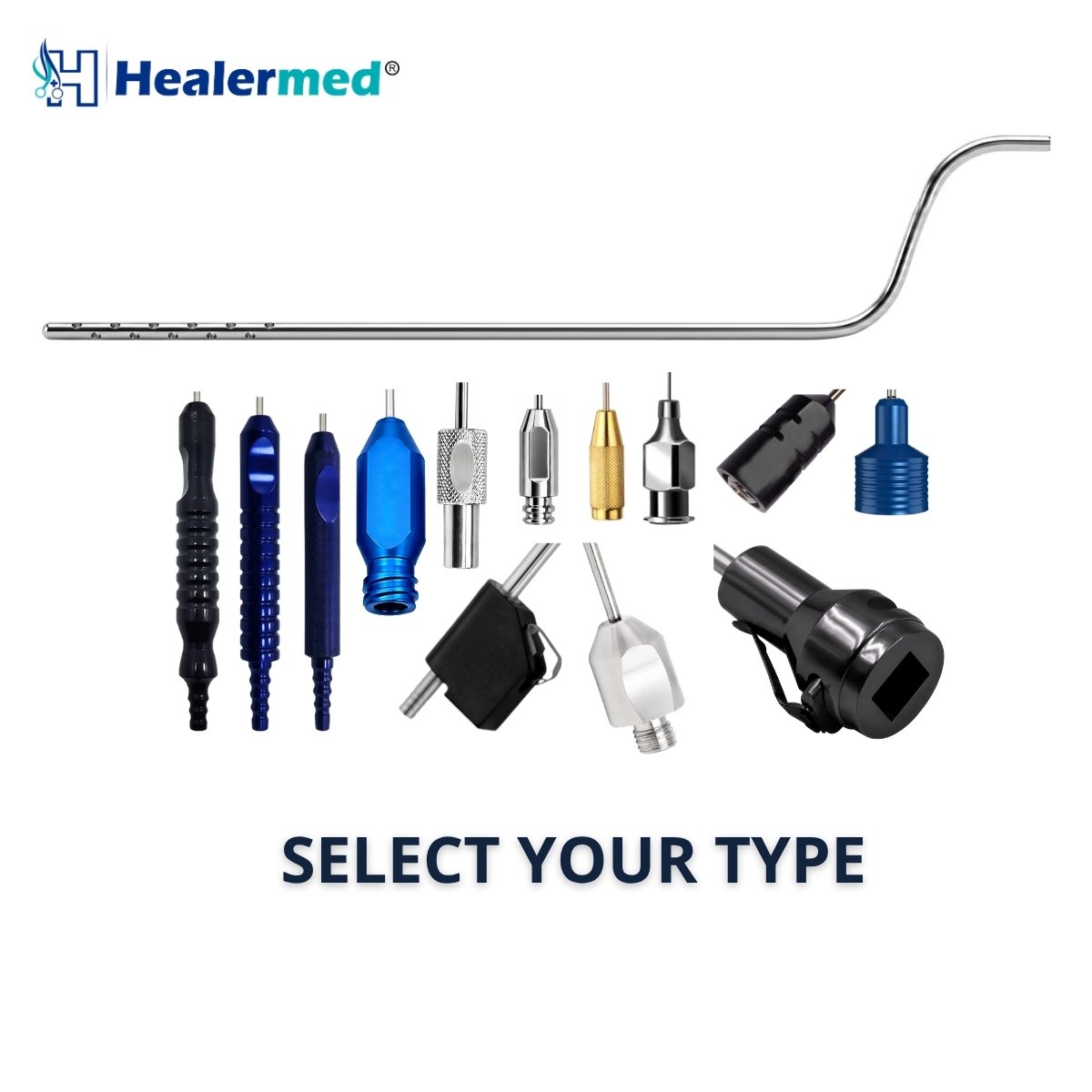
Tumescent Bayonet Infiltrator Cannulas Bayonet shaft steps the hand away from the entry site, keeping the surgeon's sightline and the port clear during infiltration. |
| Angled Tumescent Infiltration Cannulas Angled shaft reaches planes a straight infiltrator cannot approach from the same access port. |
Facelift Infiltration Cannulas Fine calibres for face and neck infiltration, where the fat layer is thin and the volume delivered must be controlled closely. |
Fat Harvesting Liposuction Cannulas
Where the graft is collected. Harvesting cannulas are judged on how much tissue structure survives the trip into the syringe.
| Multiport Speed Harvester One End Sharp Sharpened at one end only, so it cuts on the forward stroke and travels back without taking more tissue. |
Multi Port Harvester Both End Bevel Beveled ports lead fat in rather than shearing it, which matters when the graft is going to be reinjected. |
| Multiport Speed Harvester Both End Sharp Cuts on both strokes for the fastest clearance in fibrous donor sites, where vacuum alone stalls. |
Multi-Port Liposuction Cannulas
More openings, more flow. These are the working and debulking cannulas, used where volume has to come out before shaping starts.
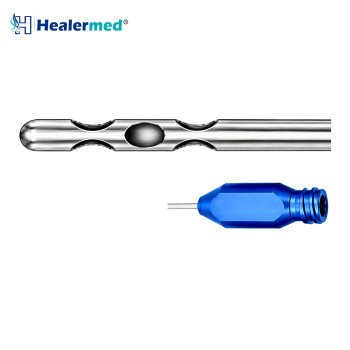
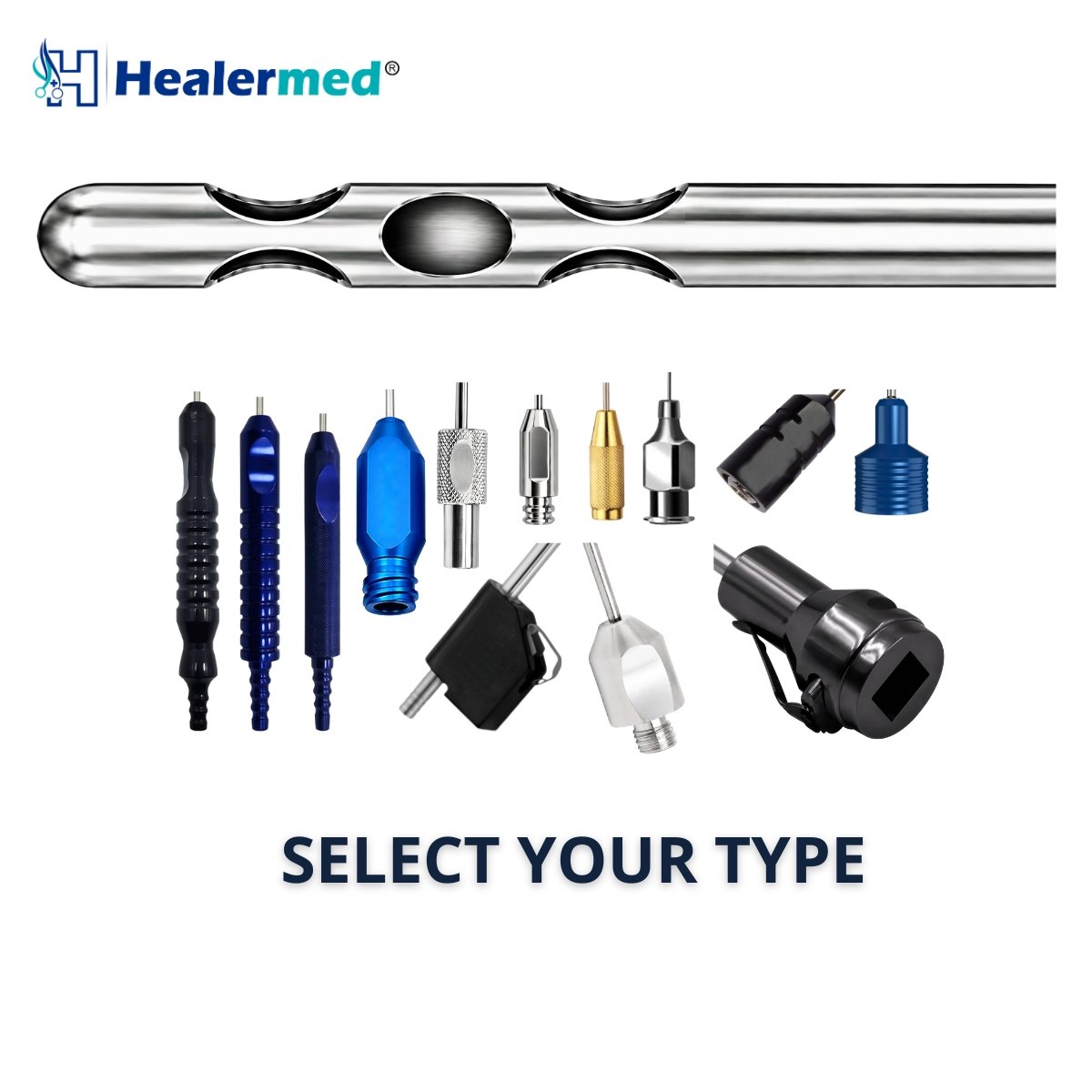
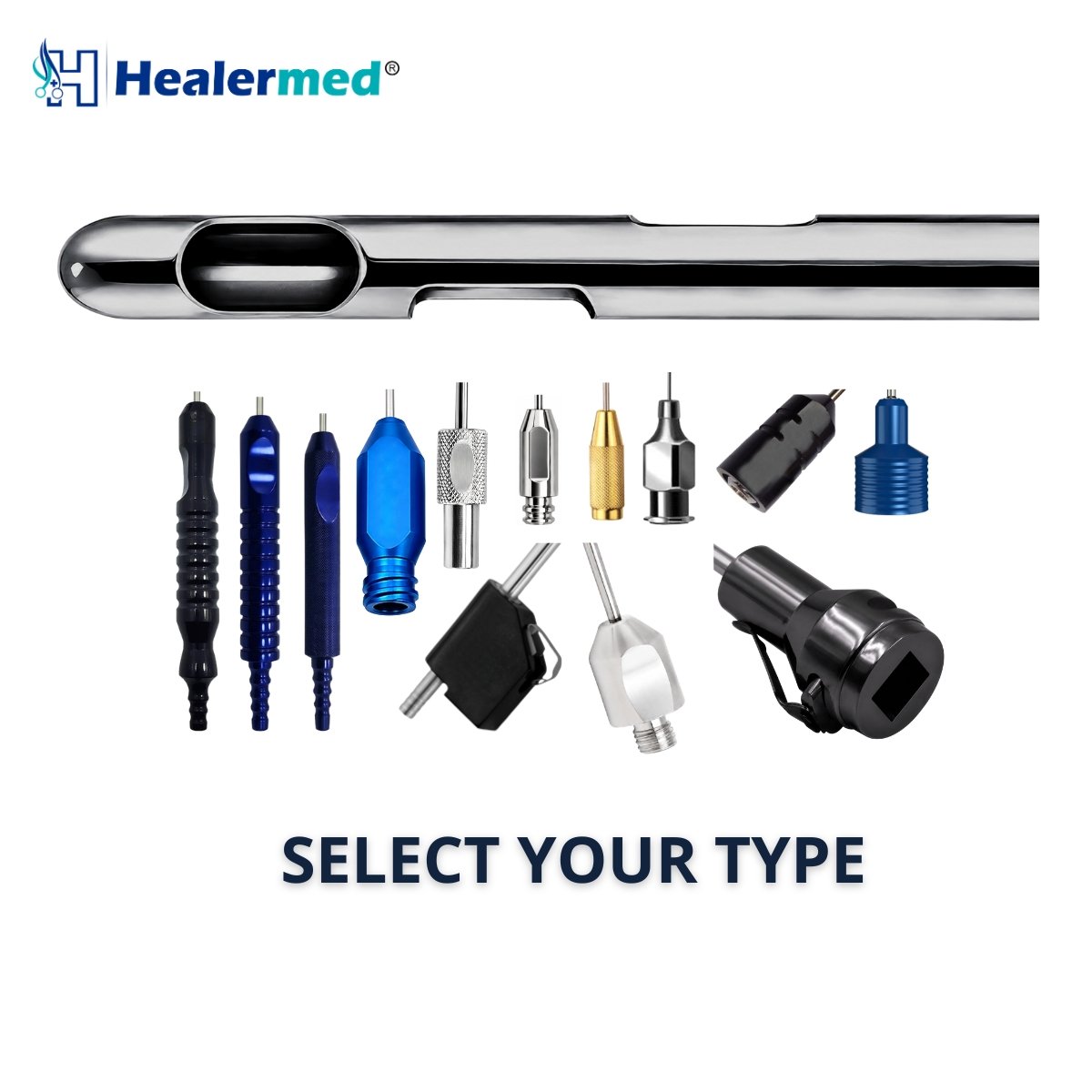
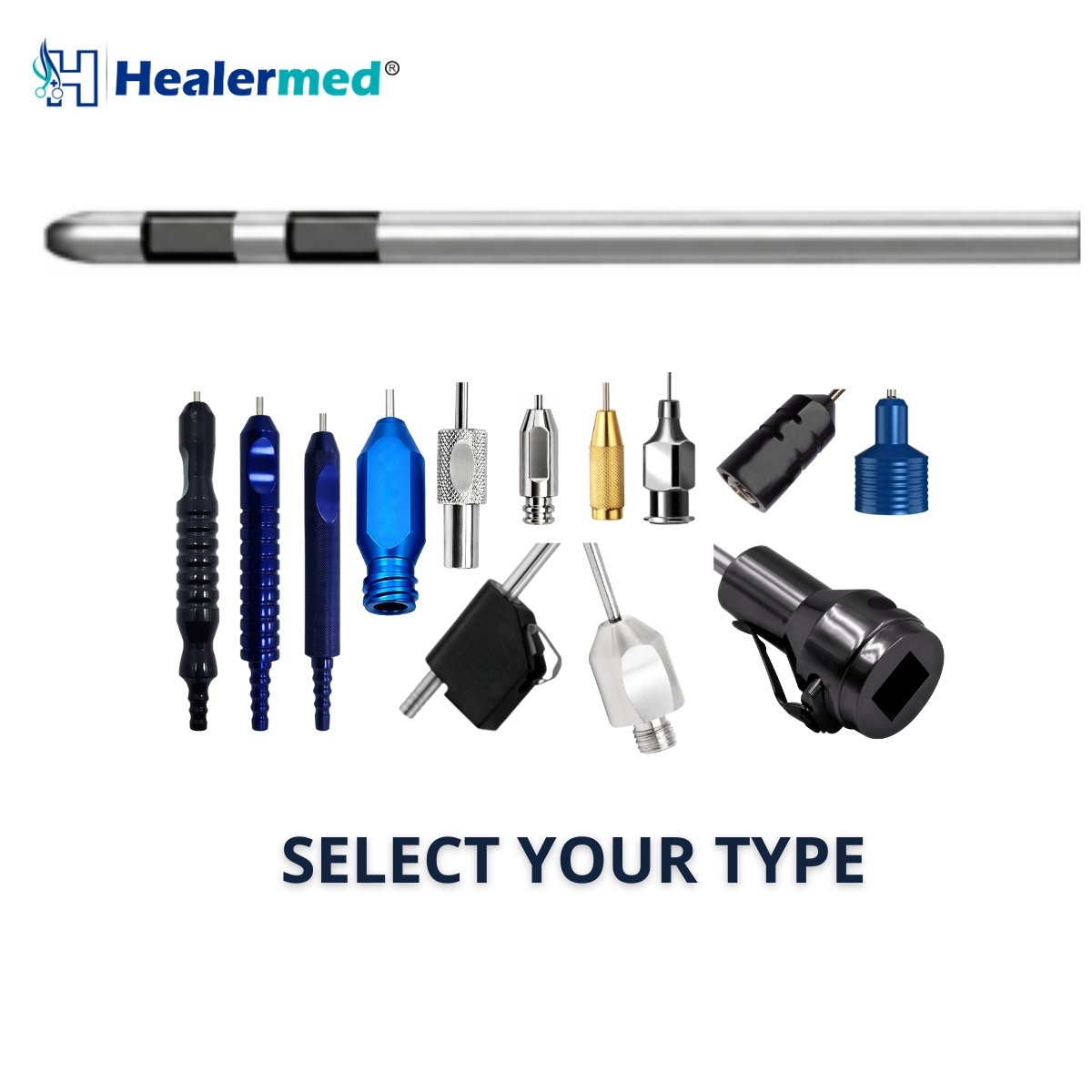
| Mercedes Tip Liposuction Cannulas Three ports set around the shaft at 120°. The balanced vacuum load is why it tracks straight through long passes. |
Double Mercedes Six Port Liposuction Cannulas Two Mercedes groups one behind the other. A longer working aperture clears a wider lane per pass, with the same balanced draw. |
| Accelerator Three Port Liposuction Cannulas Ports graded in size along the shaft so all three draw evenly instead of the rear opening doing most of the work. |
Three Port In Line Liposuction Cannulas Three openings along one line, so removal is directed to the side the surgeon aims rather than taken all round. |
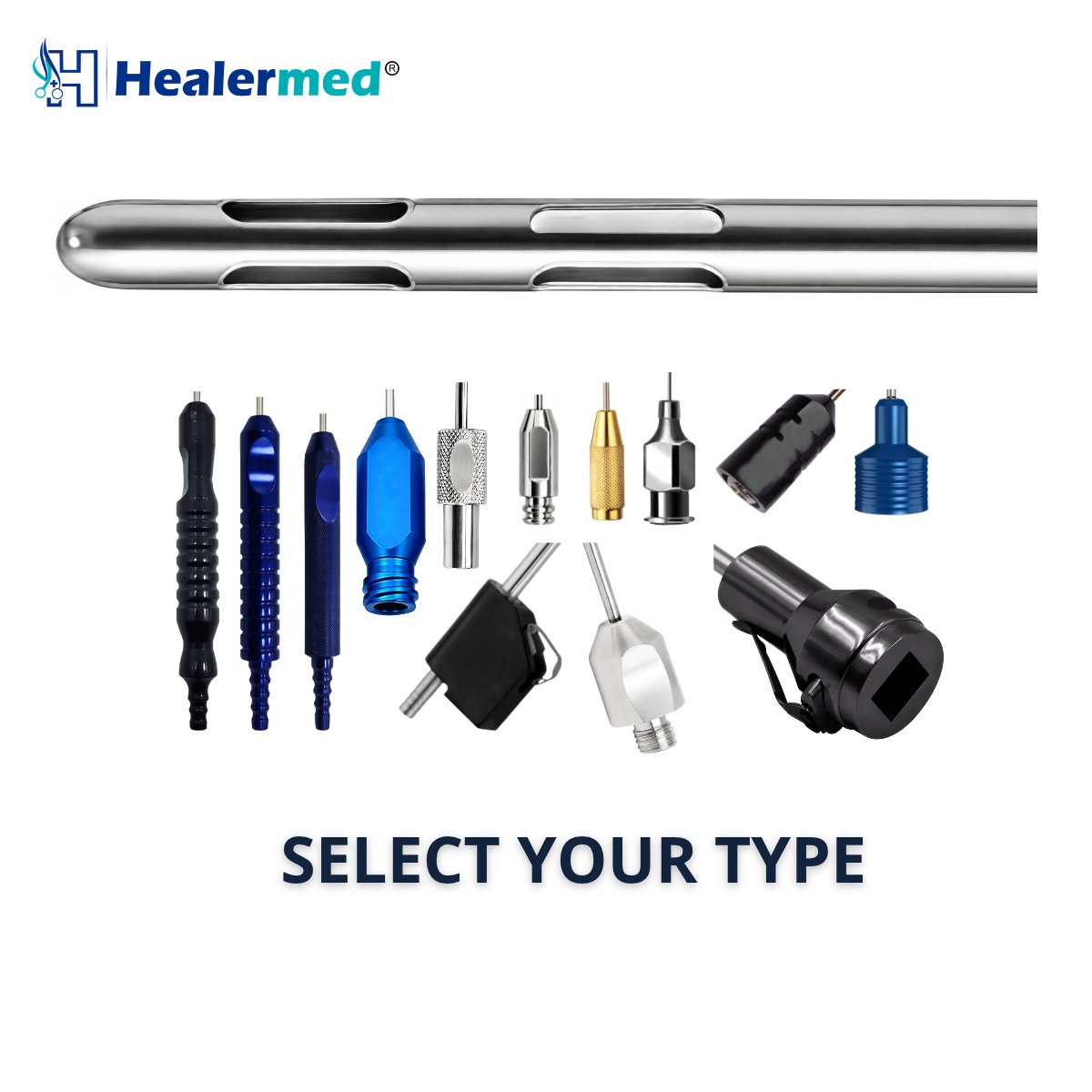
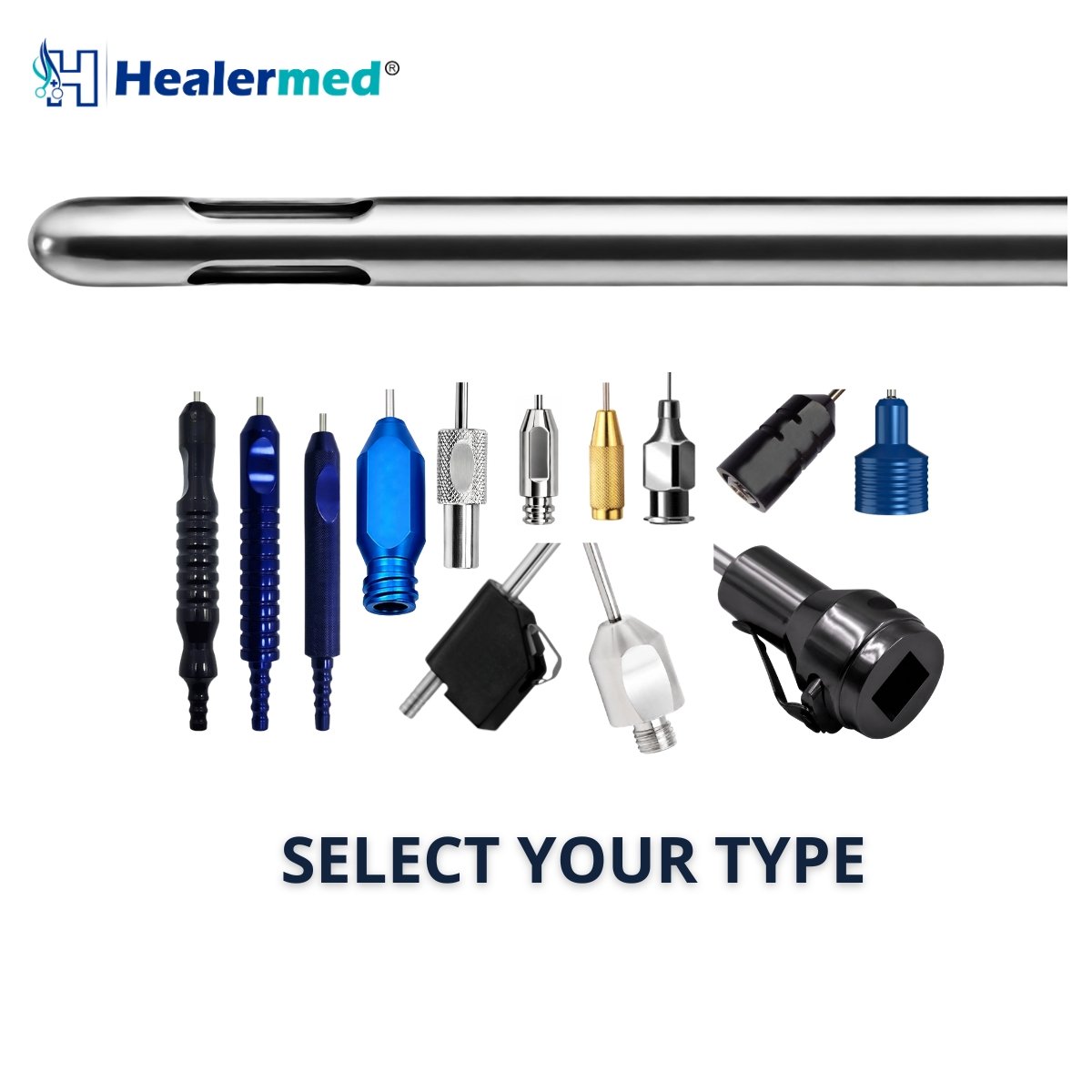
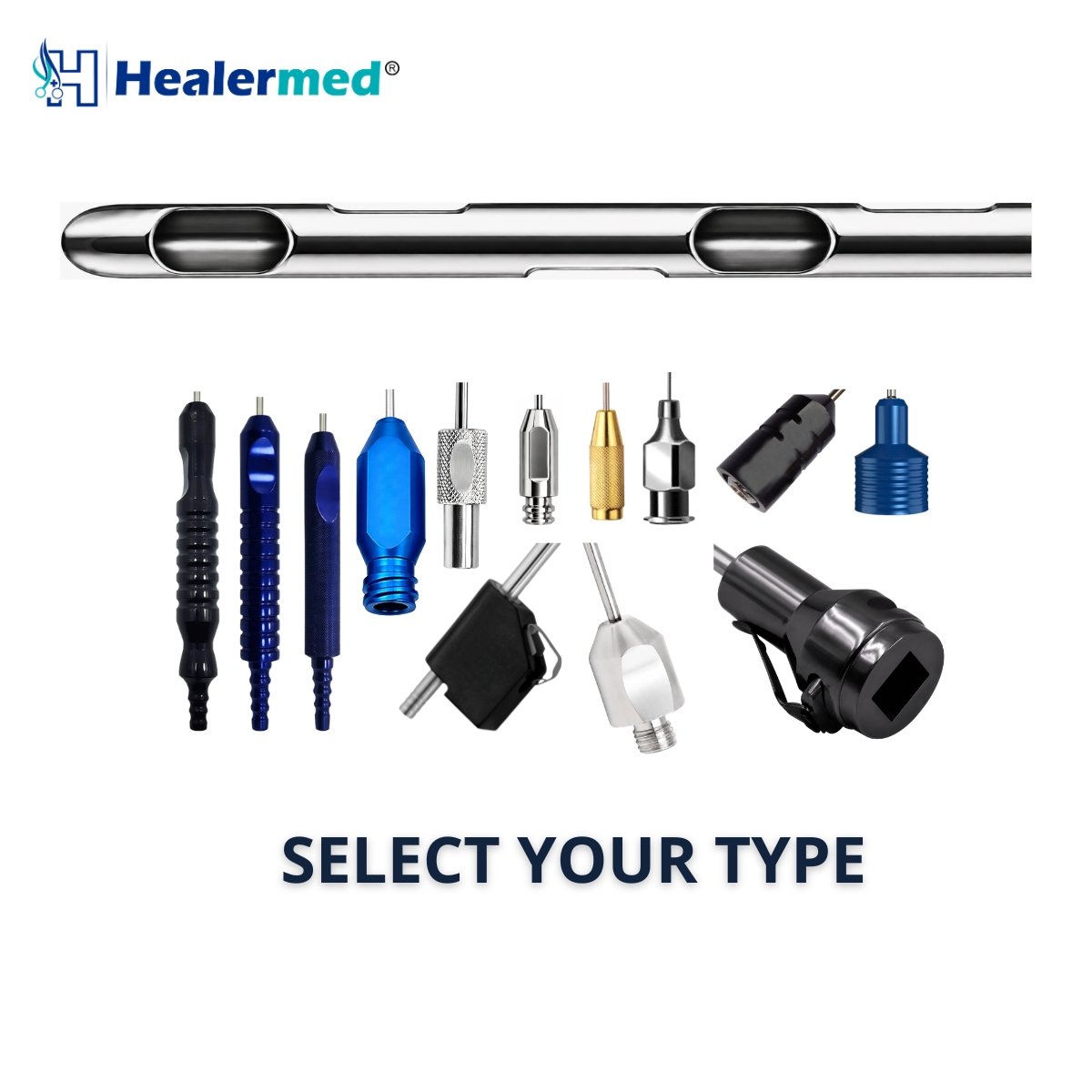
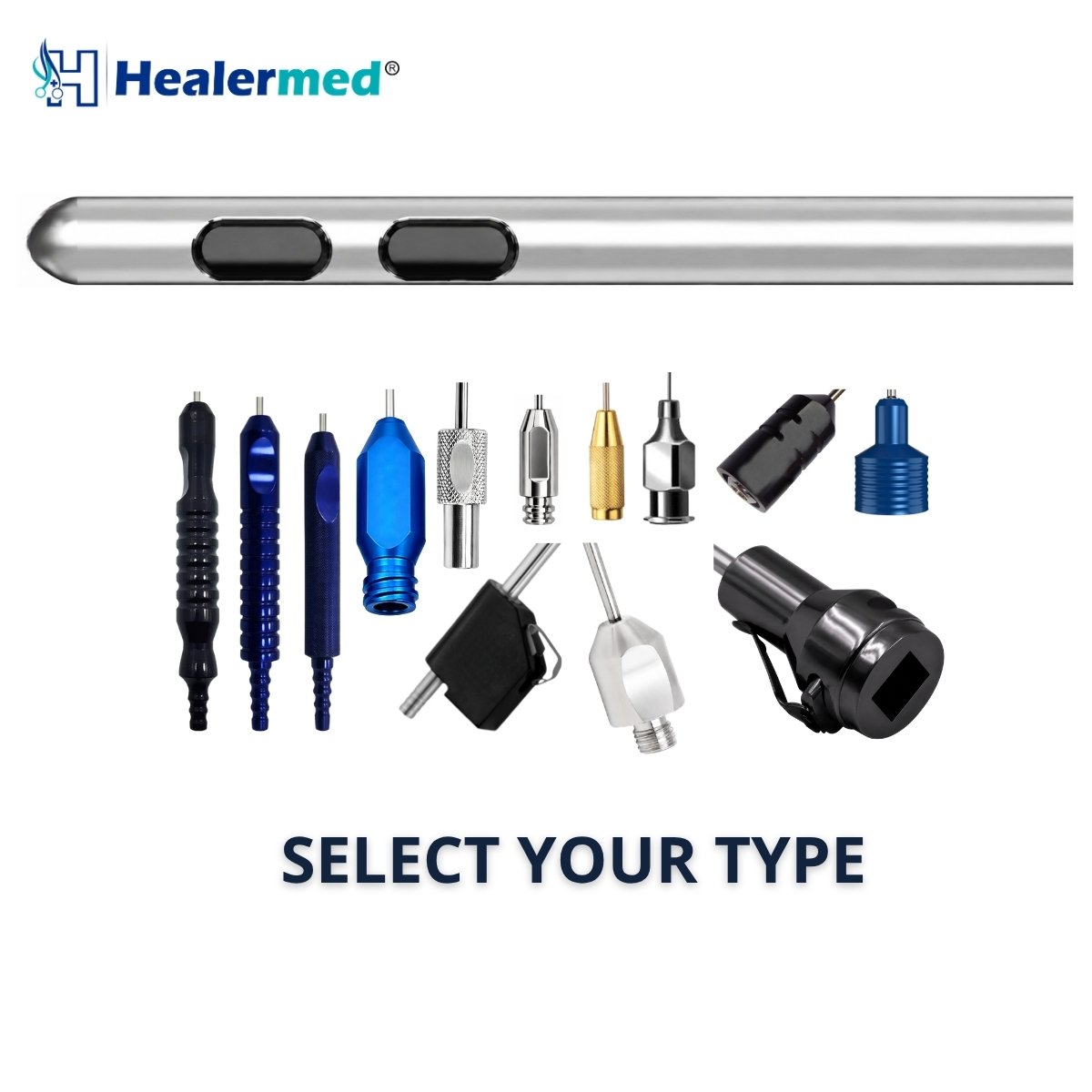
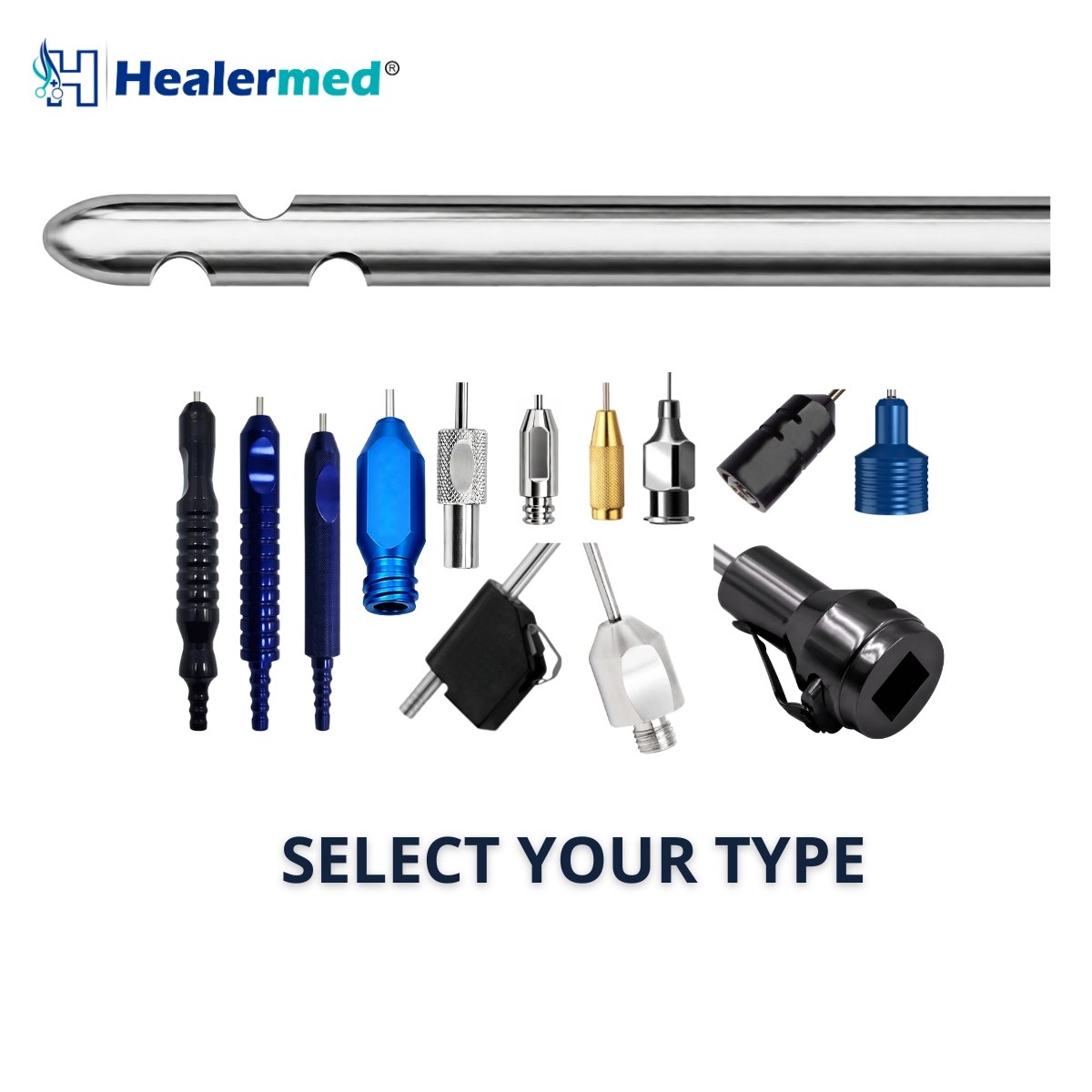
| Bi-Port Liposuction Cannulas Two ports only. Less removed per pass than a multi-port shaft, which is what makes it controllable for shaping. |
Two Square Ports In Line Liposuction Cannulas Square openings present a defined straight edge to the tissue rather than a curved one. |
| Five Port Crescent Hole Liposuction Cannulas Crescent openings around the shaft give an even draw in several directions without aiming the cannula. |
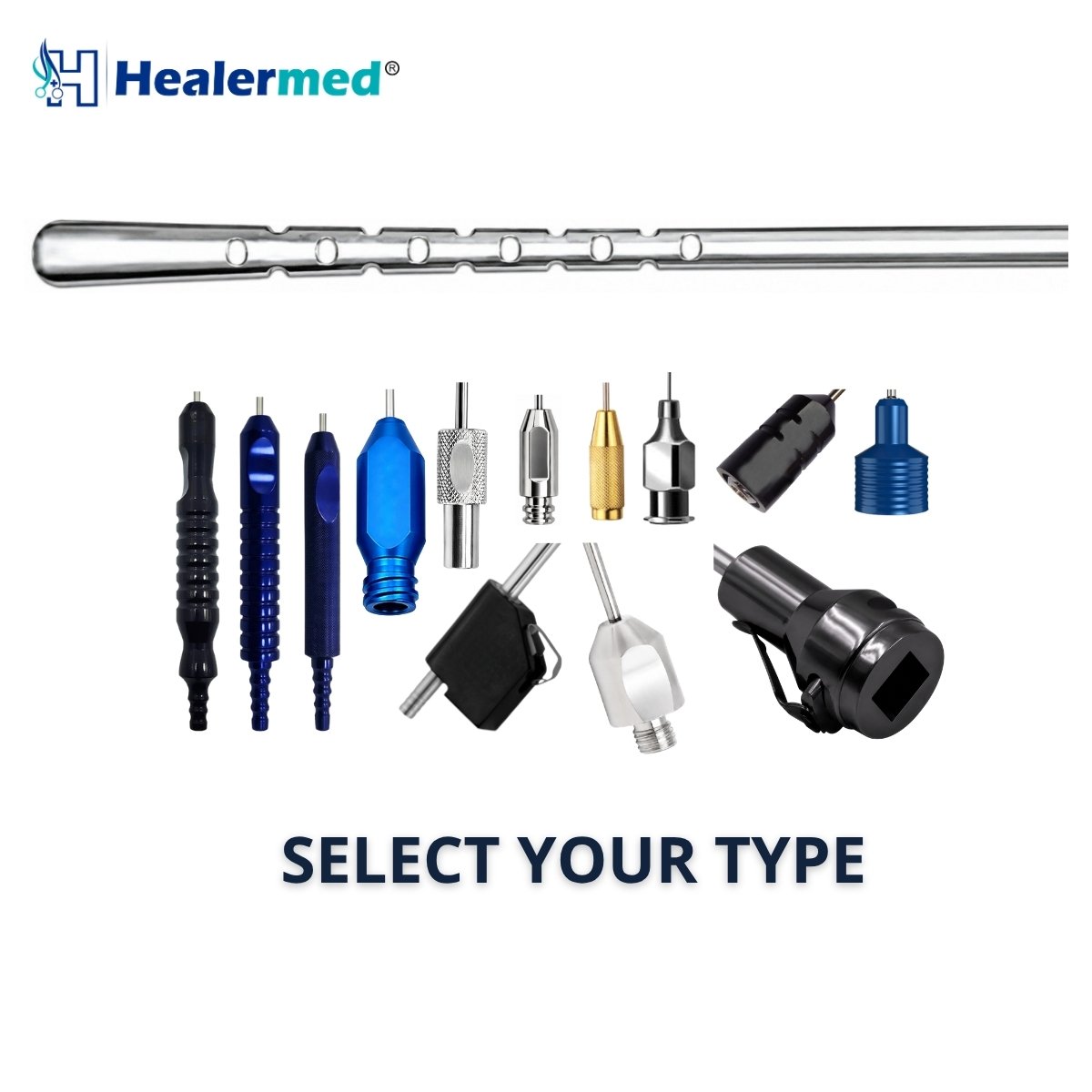
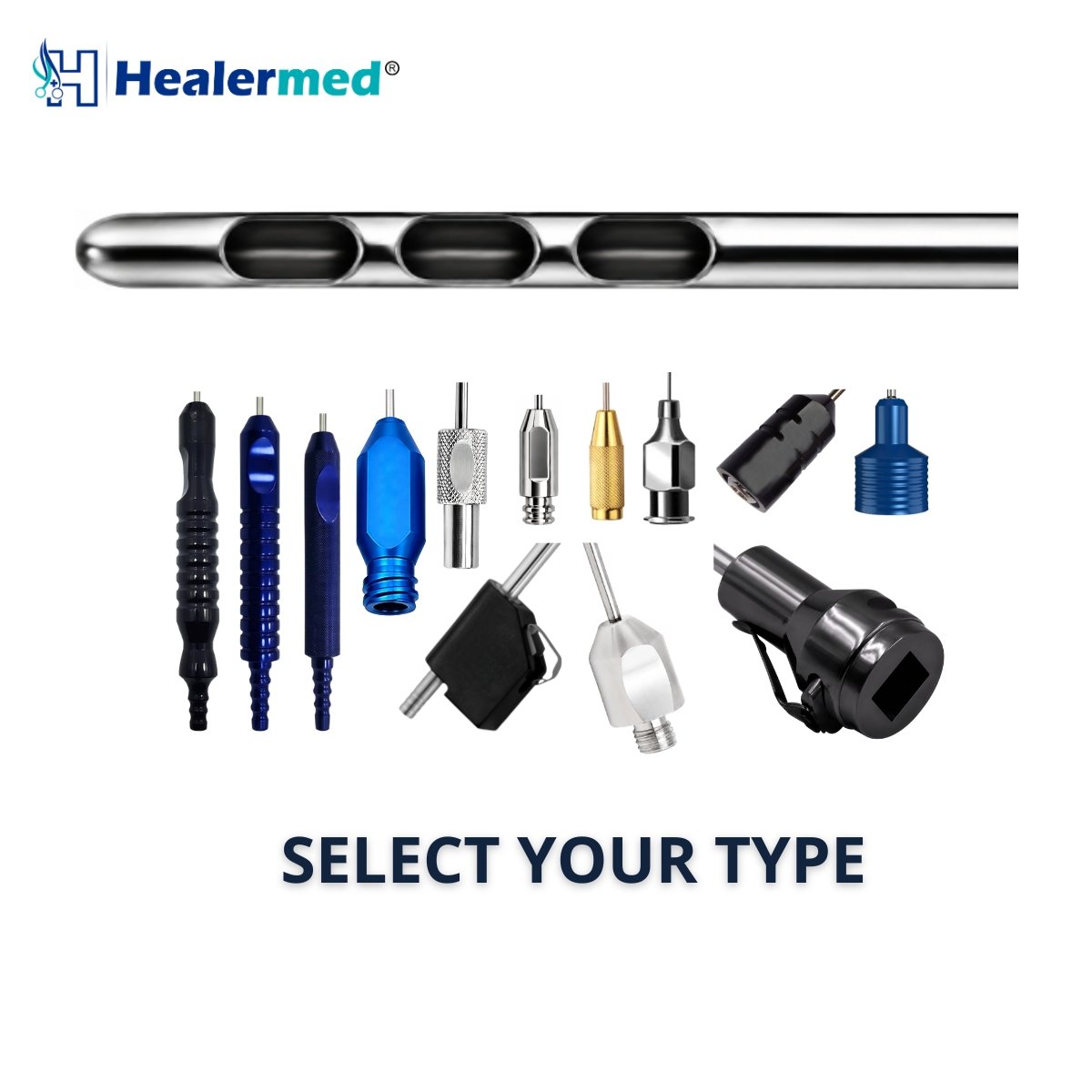
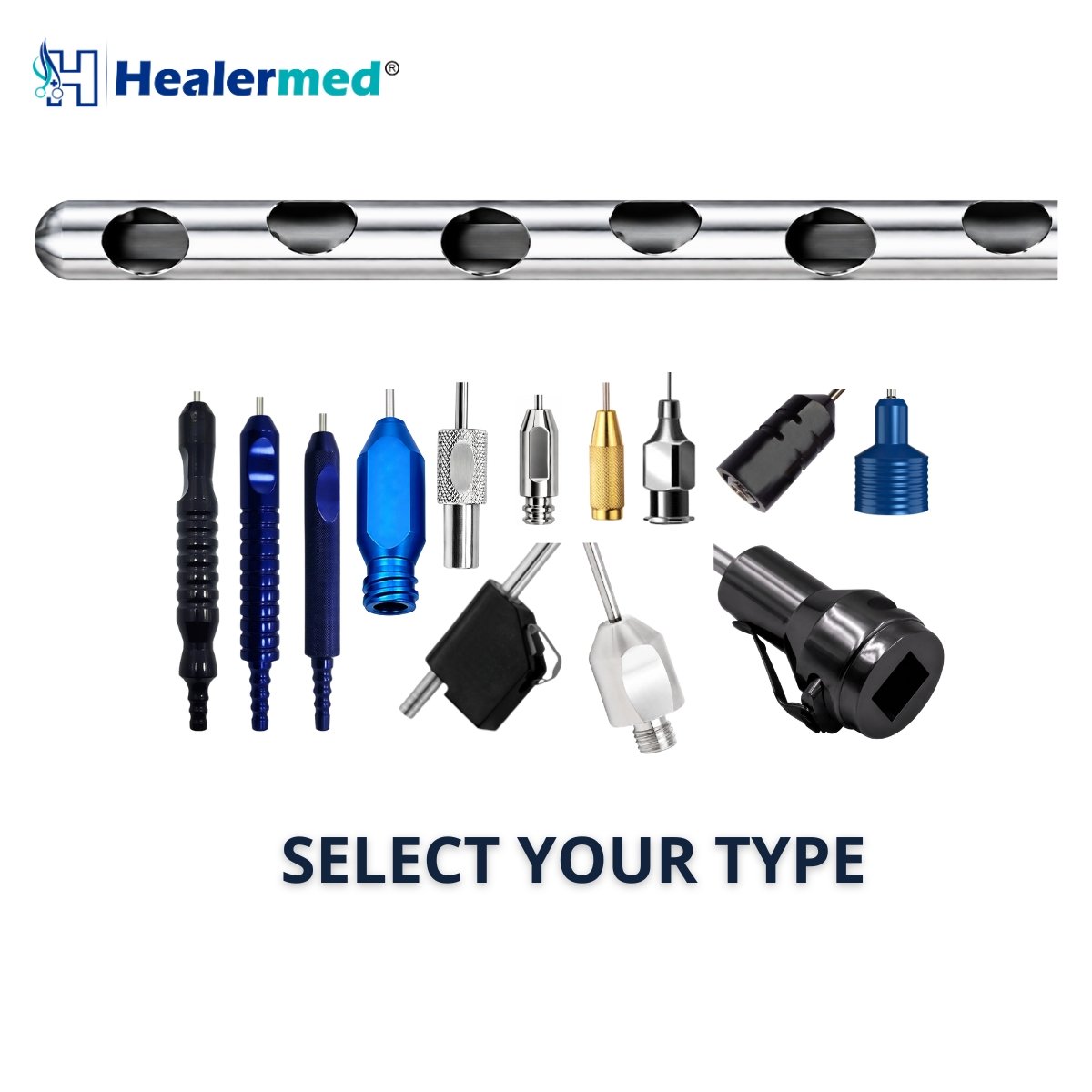
Six Oval Port Liposuction Cannulas Six oval openings for high flow, used in the debulking stage where volume matters more than fine control. |
| 3 Spiral Port Liposuction Cannulas (Carraway Style) Ports set in a spiral so no two sit in line, which spreads the removal across the shaft rather than along one track. |
6 Spiral Port Liposuction Cannulas Six spiral openings — higher flow than the three-port version while keeping the same distributed draw. |
| One Central Port Two Parallel Ports Liposuction Cannulas A leading central opening with a parallel pair behind it, so the draw builds along the shaft rather than all at the tip. |
Two Parallel Ports One Central Port Liposuction Cannulas The parallel pair leads and the central port follows, reversing the order of removal along the pass. |
Single and Low-Port Liposuction Cannulas
Fewer openings, less taken per pass. These are the shaping cannulas, and the ones used close to the skin where a mistake shows.
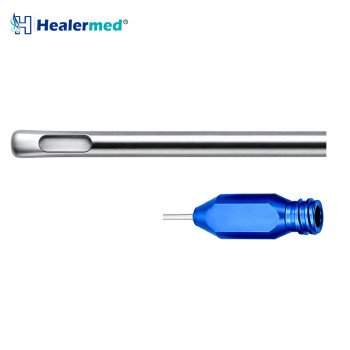
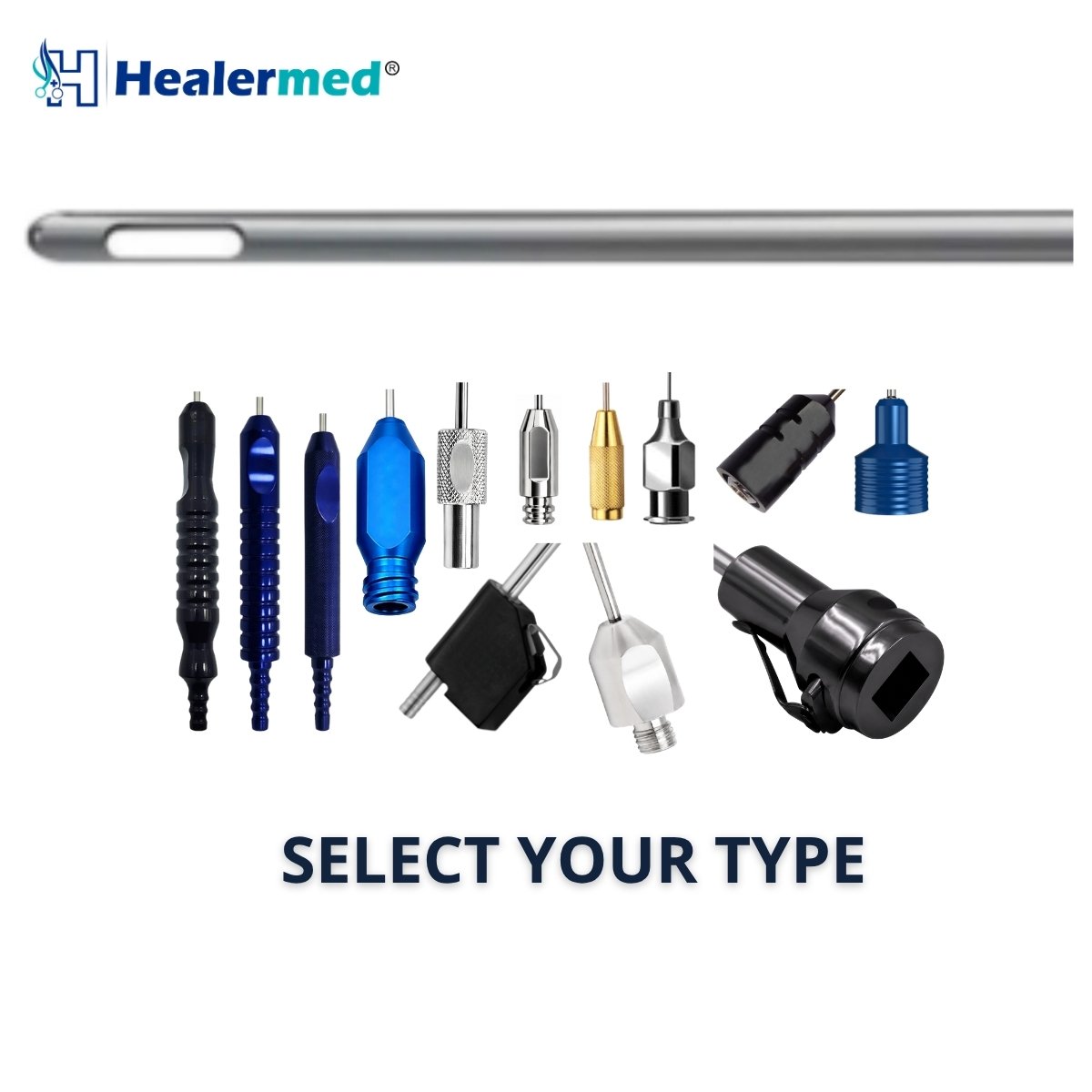
| Standard Single Hole Liposuction Cannulas One opening, the least taken per pass of any pattern. The cannula for final shaping and for working close to the skin. |
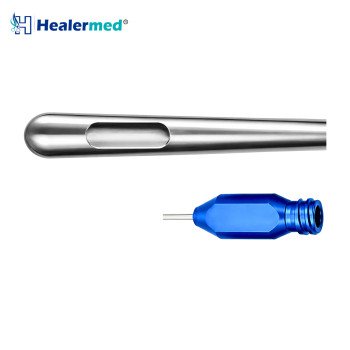
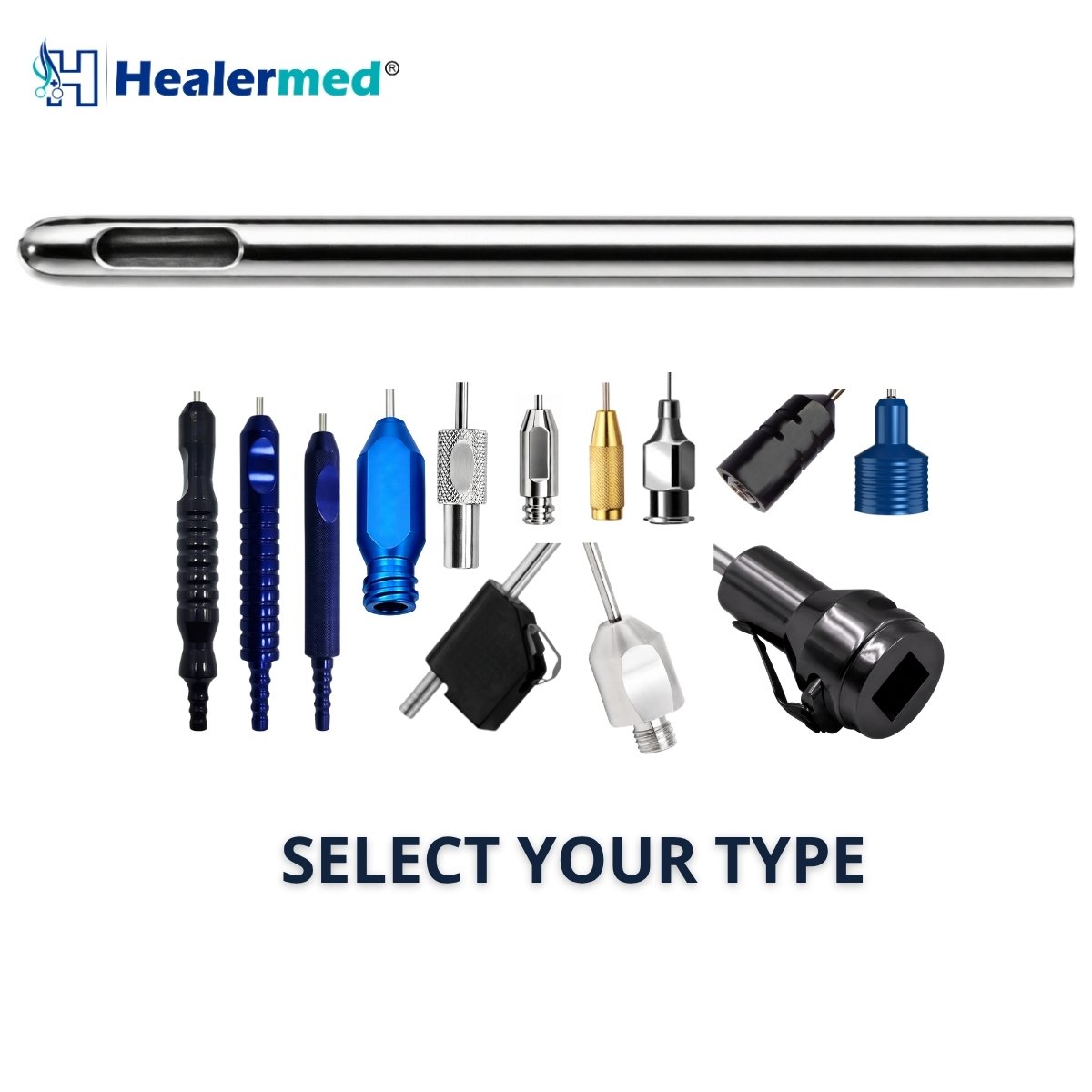
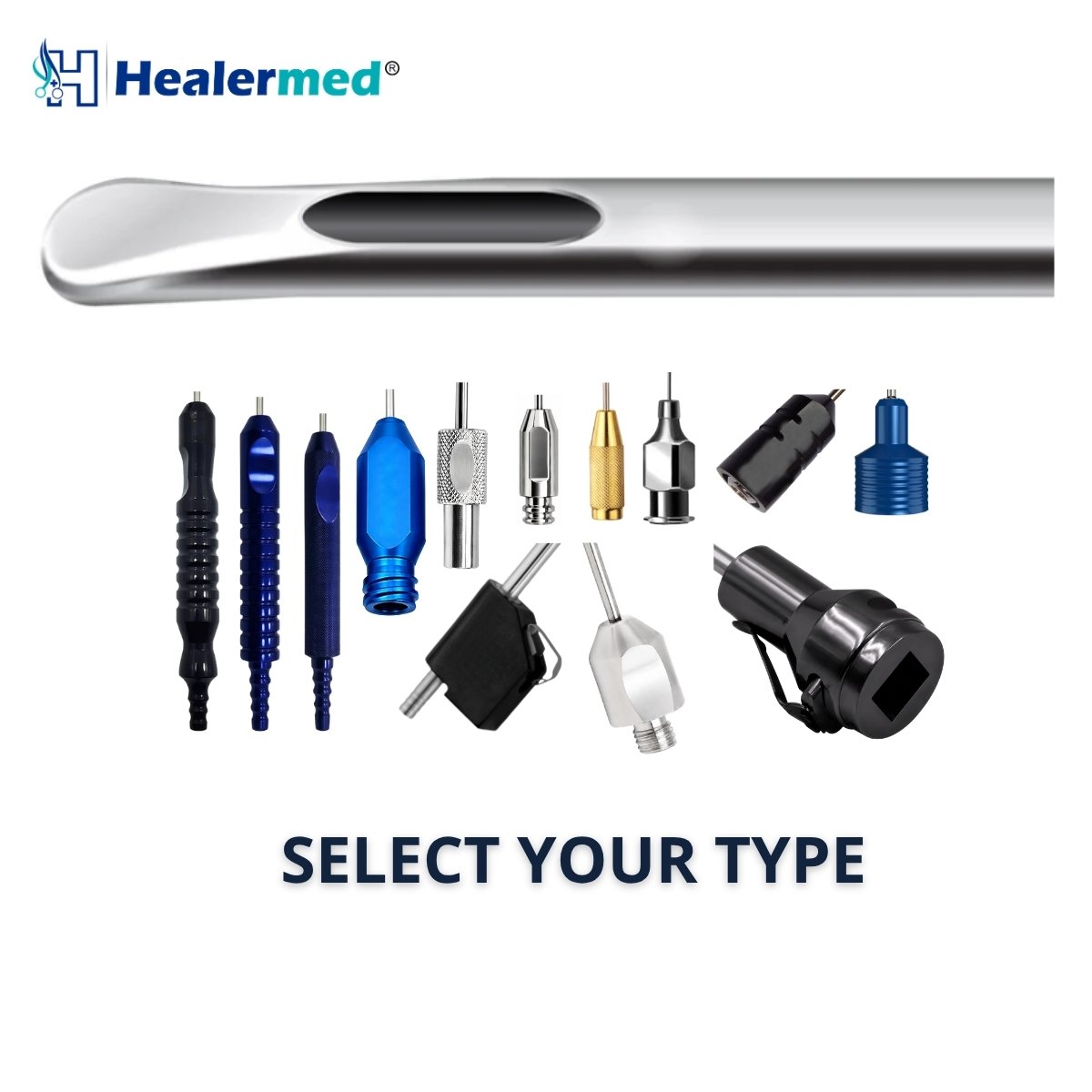
Oval Hole On Top Liposuction Cannulas A single oval opening facing up, so the surgeon controls exactly which plane is drawn from. |
| Beveled Hole On Top Liposuction Cannulas The beveled rim leads tissue into the opening instead of pressing past it, for a smoother draw at low volume. |
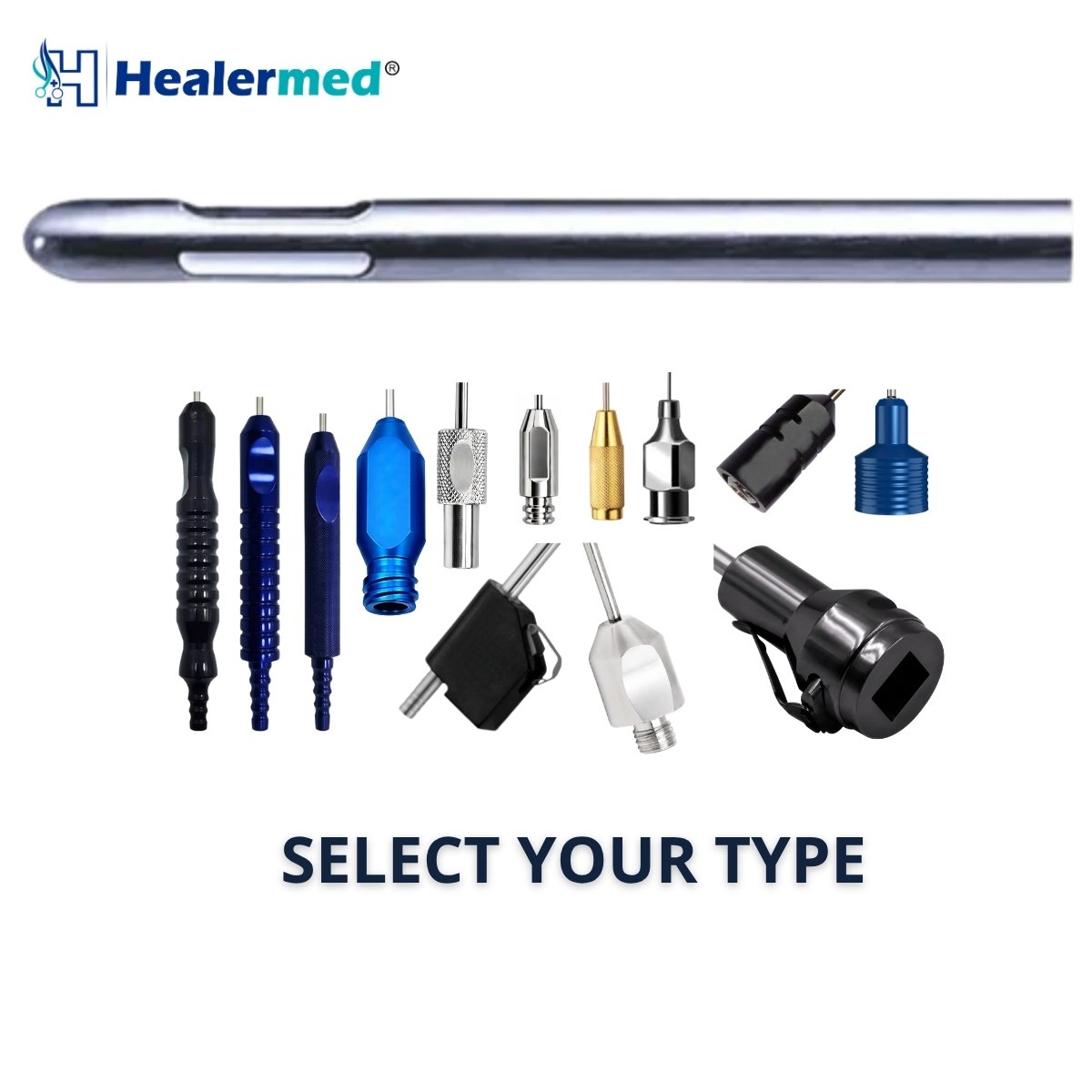
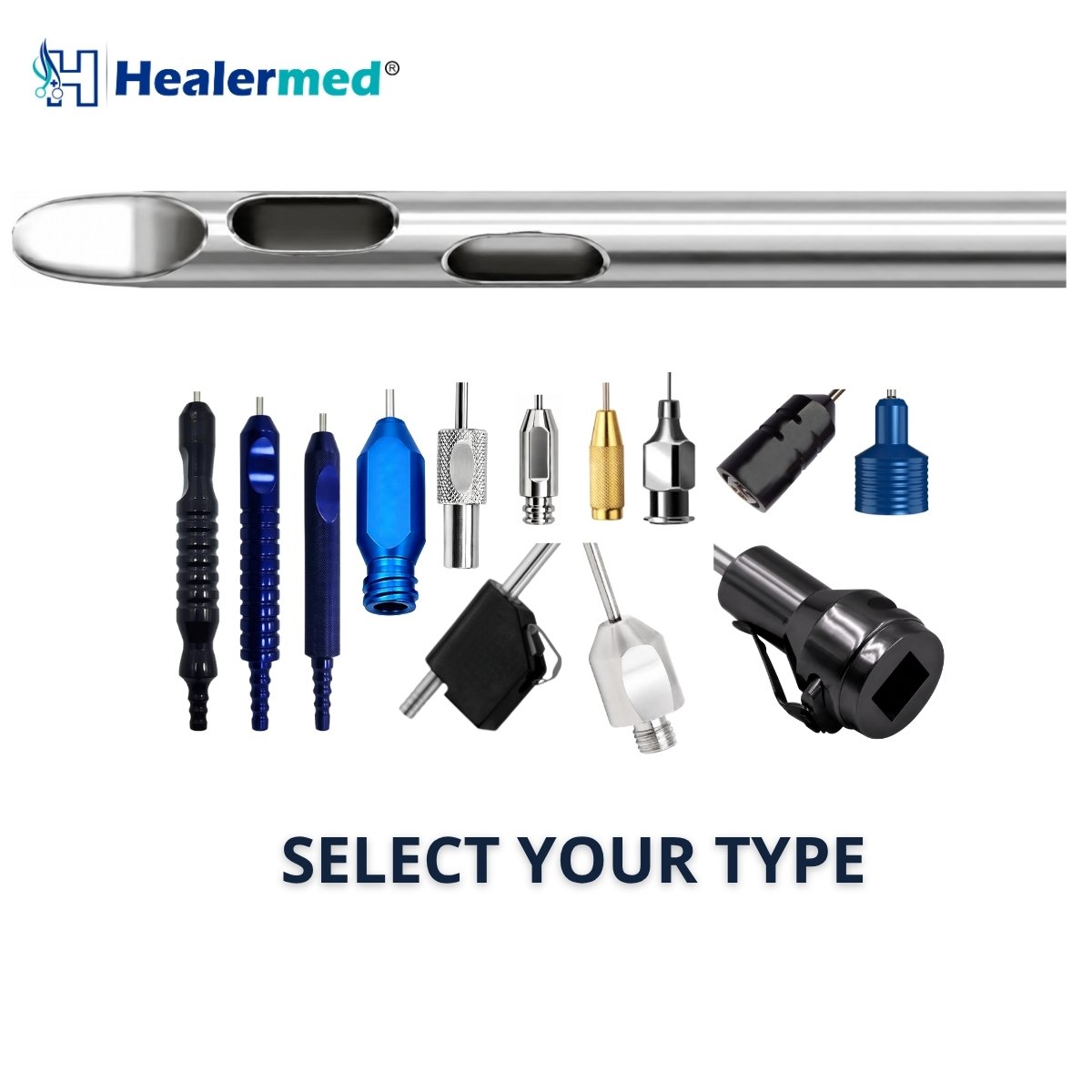
Long Hole Fat Aspiration Tip Liposuction Cannulas An extended opening near the tip, so fat enters over a longer stretch at a steadier rate. |
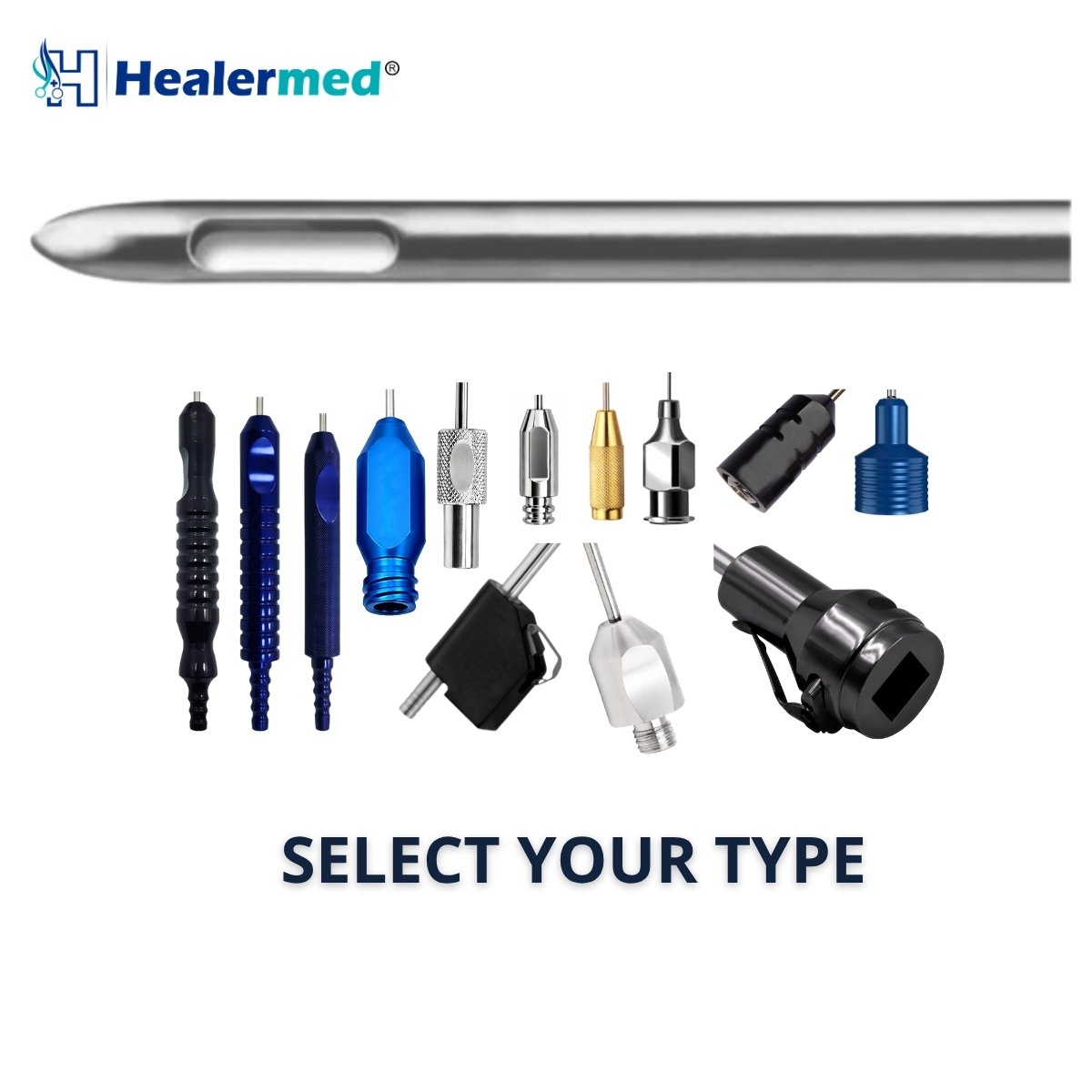
| Lancet Tip One Central Hole Liposuction Cannulas A lancet-profile tip that parts tissue as it advances, with one central opening behind it. |
Tapered Tip Single Central Hole Liposuction Cannulas The taper lets the cannula enter a plane with less force, and a single opening keeps removal measured. |
| Tapered Tip Two Spiral Holes Liposuction Cannulas A tapered entry with two spiral openings, between a shaping cannula and a working one. |
Tip Pattern Liposuction Cannulas
The tip decides how the cannula enters a plane and what it does once it is in. These patterns exist because one profile cannot do every job.
| Pyramid Hole Liposuction Cannulas Pyramid-set openings draw from several faces at once while the closed tip separates the plane bluntly. |
Reverse Pyramid Liposuction Cannulas The pyramid inverted, so the openings face back along the shaft and take tissue on withdrawal. |
| Cobra Style Two Port Liposuction Cannulas The flattened cobra head holds its plane instead of diving, with two ports for a controlled draw. |
Cobra Style Round Tip Liposuction Cannulas A cobra profile with a rounded tip — the gentler version for superficial work and thin tissue. |
| Stevens Style Liposuction Cannula One long hole with a Mercedes group and four round ports, combining debulking and shaping in a single shaft. |
Candy Cane Liposuction Cannulas A curved shaft that follows a contour rather than crossing it, for areas a straight cannula cannot reach cleanly. |
| Deep Cut Liposuction Cannulas A deeper opening profile for the deep fat layer, where volume is removed before the surface is shaped. |
Becker Basket Liposuction Cannulas The distal section is cut into an open cage, giving the largest draw area of any pattern at a given diameter. |
| Double Basket Becker Liposuction Cannulas Two basket sections extend that open area far back along the shaft — the fastest debulking cannula in the range. |
Double Long Port Liposuction Cannulas Two extended openings for high flow with fewer edges than a multi-port shaft. |
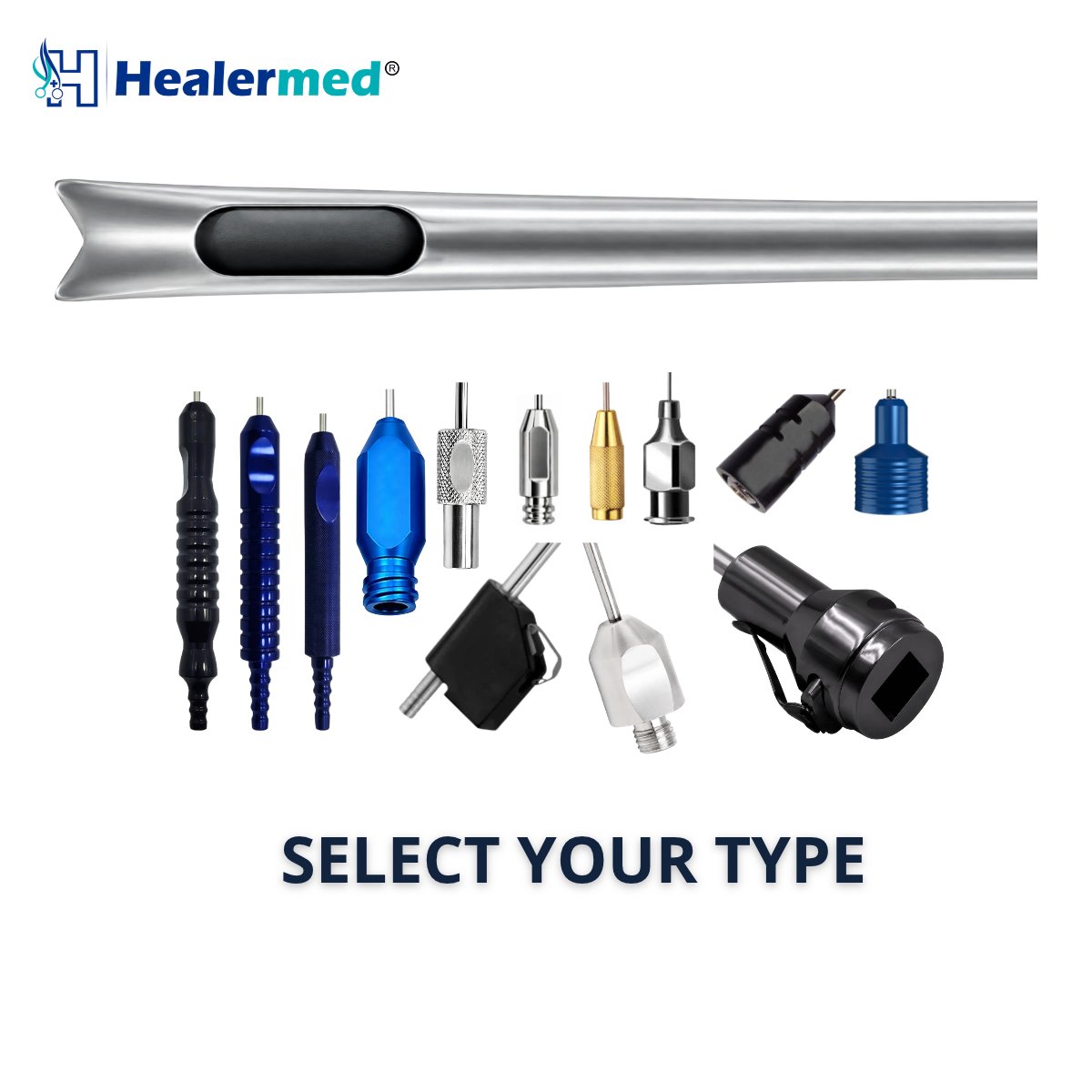
| Field Flap Liposuction Cannulas An elevated leading edge opens and exposes tissue as the cannula advances, for precise work along the mandible and submental area. |
Dissector Liposuction Cannulas
Solid shafts that remove nothing. They open a plane or release fibrous attachment so the aspiration or the graft can follow.
| Deep Sharp Cut Dissector Liposuction Cannulas Releases fibrous bands and scarred planes that will not yield to a blunt cannula. |
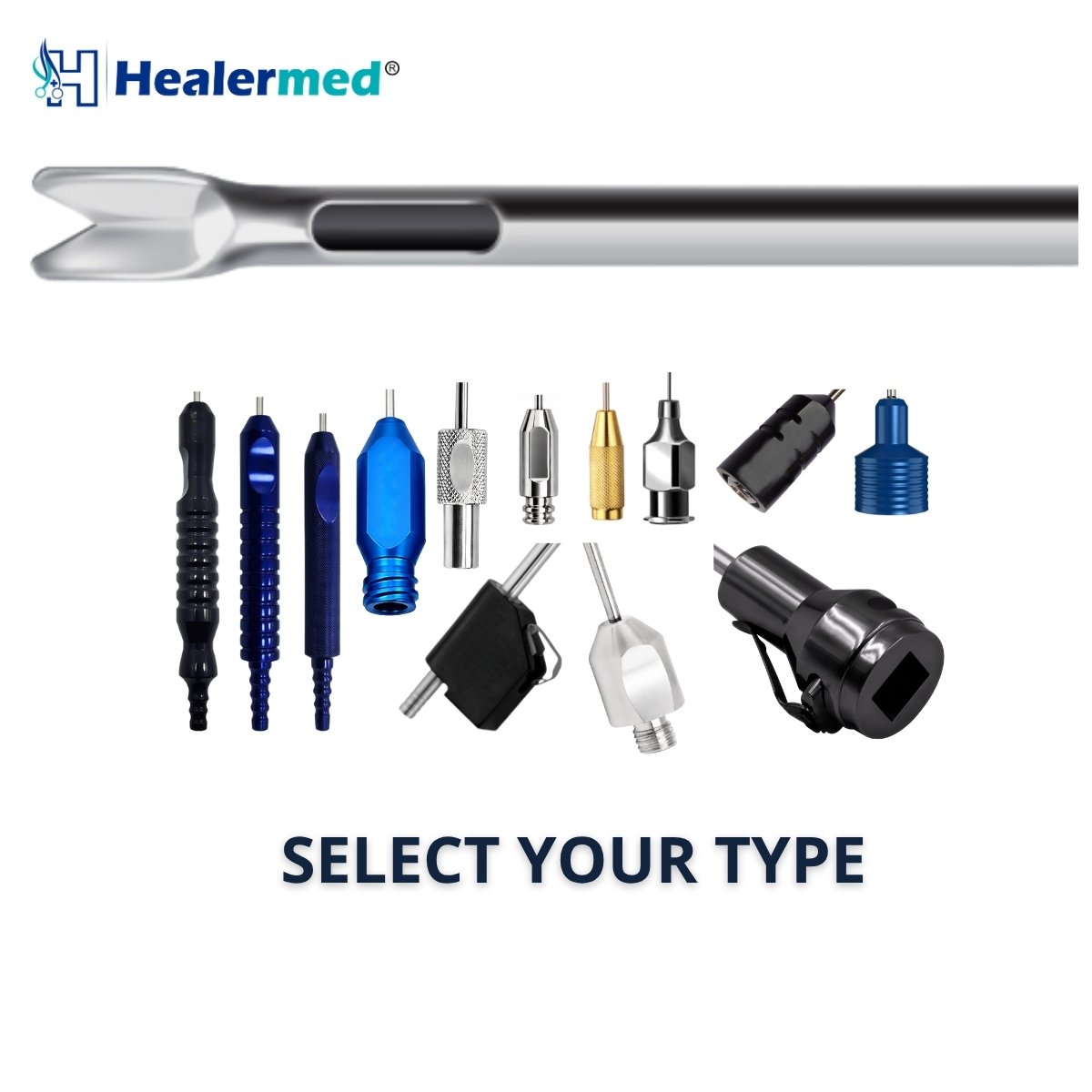
Toledo V-Dissector Liposuction Cannulas A blunt V tip that pre-tunnels a route before aspiration, splitting tissue rather than cutting it. |
| Flap Dissector Liposuction Cannulas A broad flattened blunt head that opens a tissue plane across its full width in one sweep. |
Fat Injector and Transfer Cannulas
Where the graft goes back in. Injector cannulas are blunt and fine, built to place fat in layers rather than deposit it.
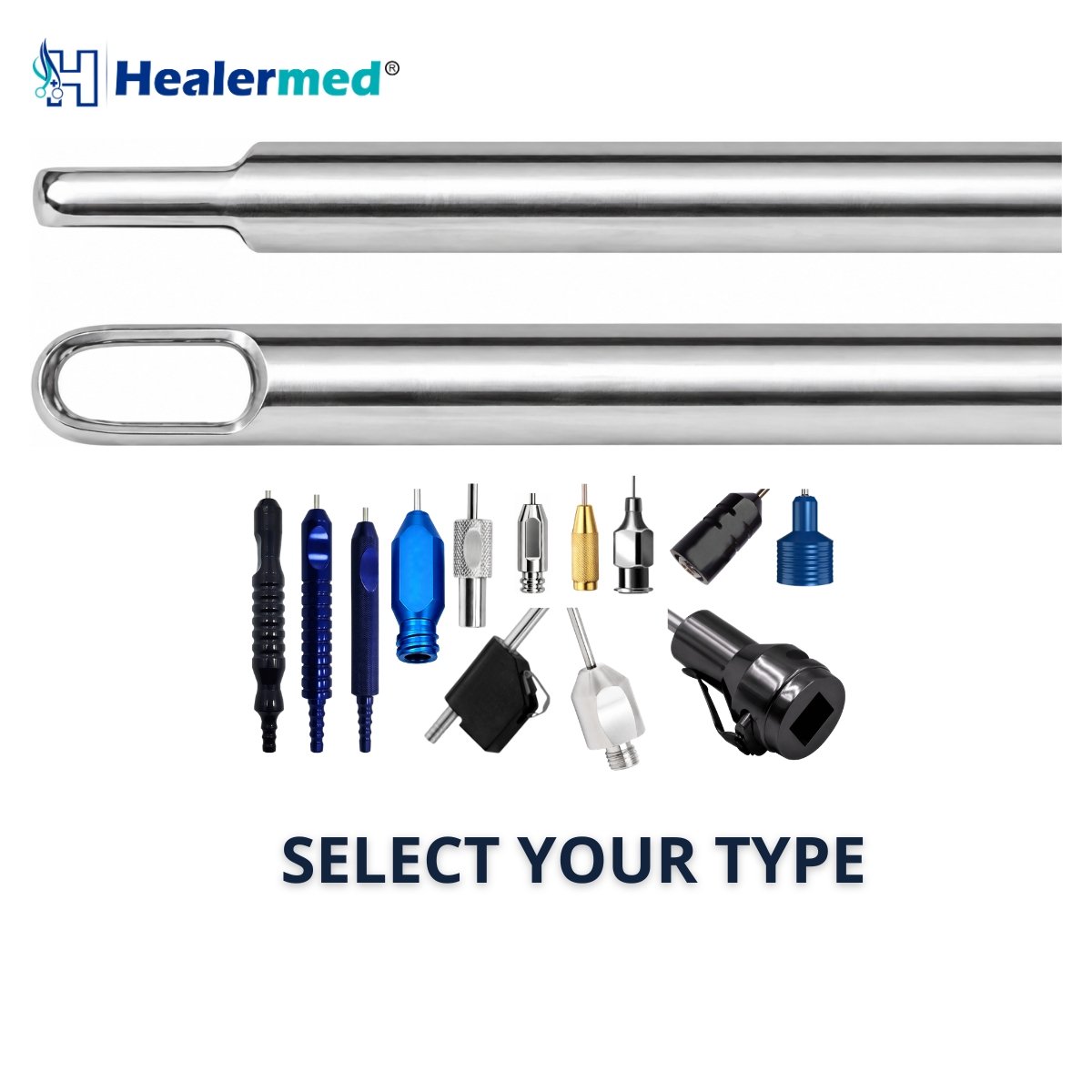
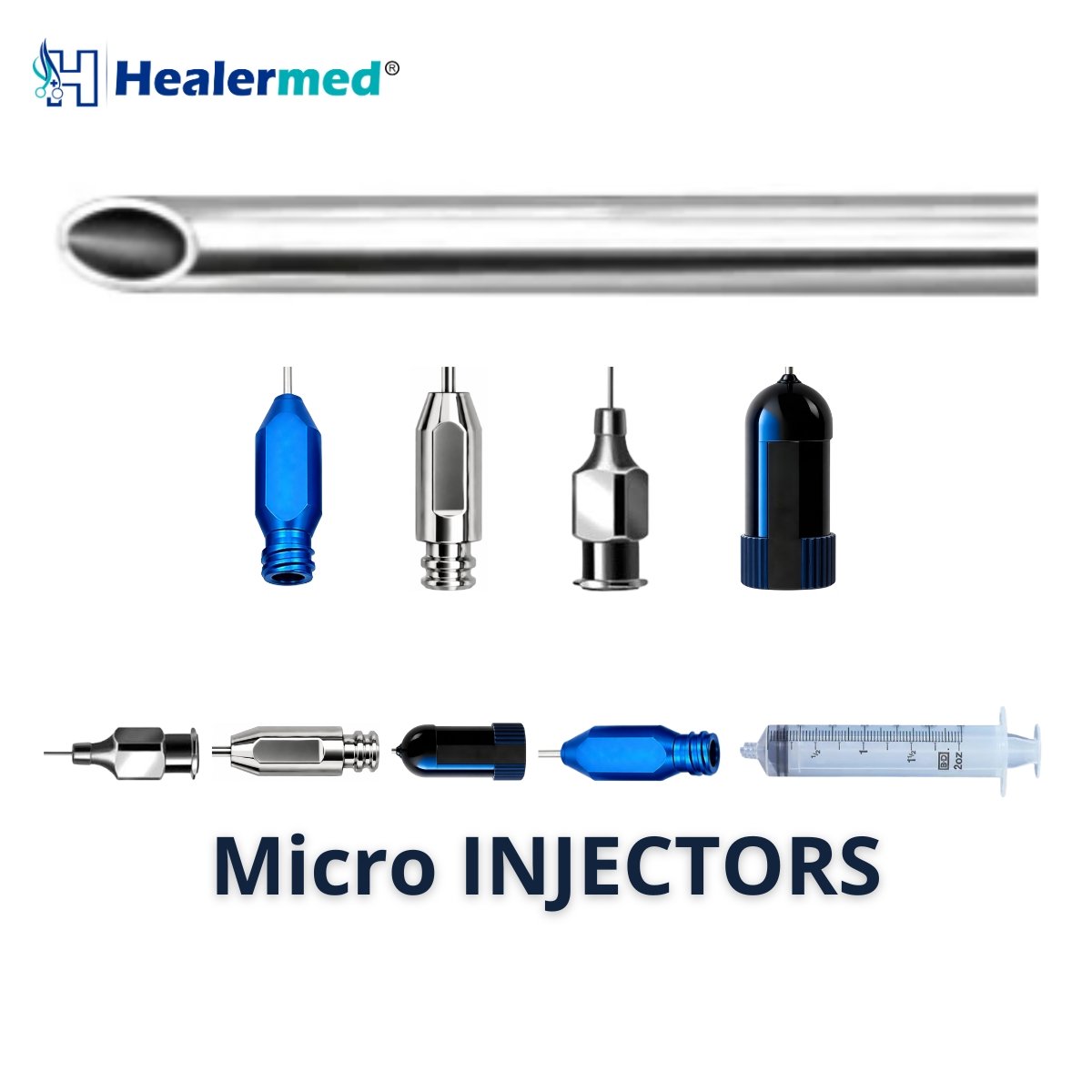
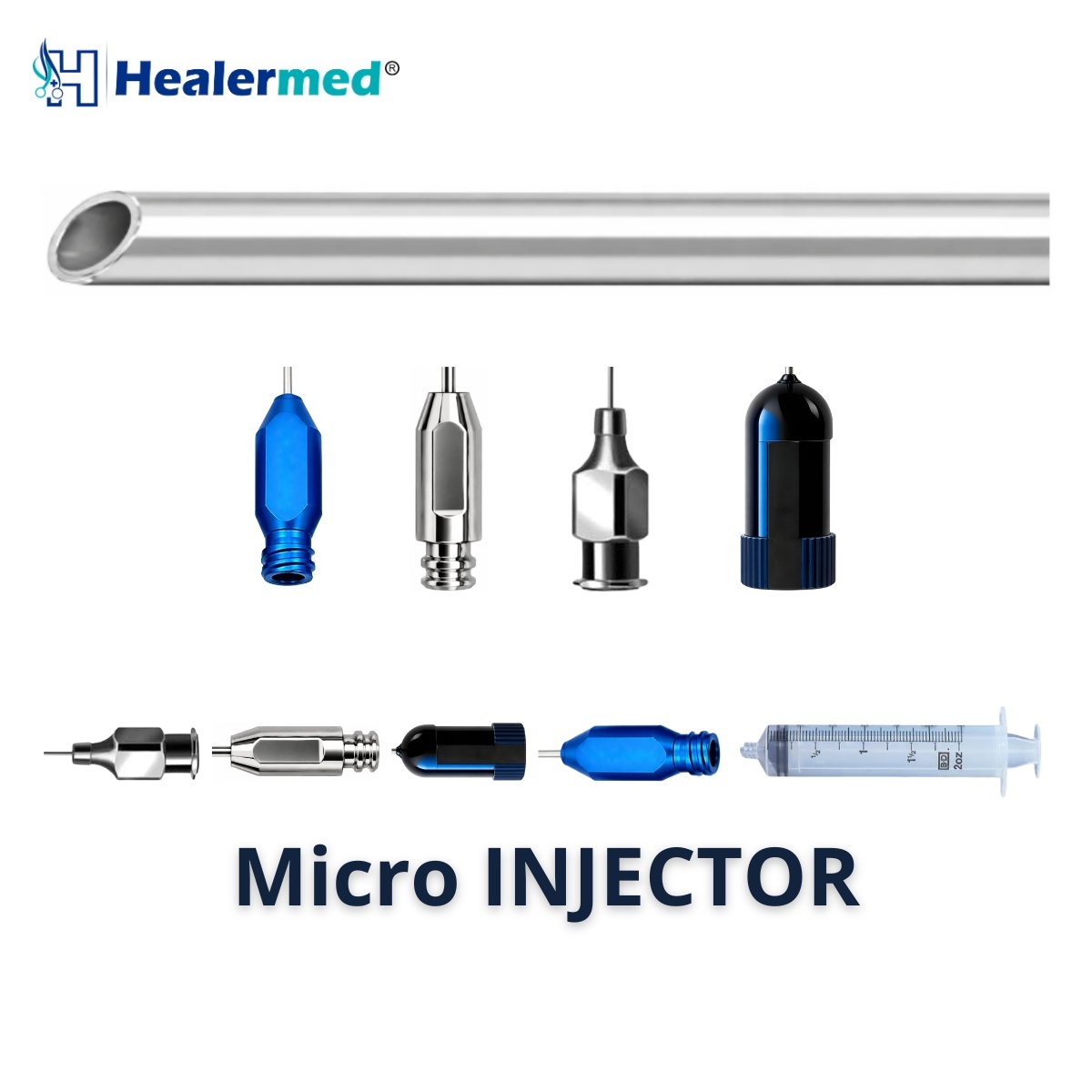
| Sharp Hole On Tip Extractor Injector Cannulas A sharpened tip opening for extracting and placing small-volume graft in one instrument. |
Blunt Hole On Tip Extractor Injector Cannulas The same tip opening, blunt, so it can work in the superficial planes without dividing what it passes. |
| Blunt Single Hole Injector Cannulas One blunt opening for laying a fine, even thread of fat — the standard facial injector. |
Two Holes In Line Injector Cannulas Two openings in line place graft over a longer stretch on each withdrawal. |
| Sharp Cut Dissector Injector Cannulas Releases a tight recipient pocket and injects through the same instrument, so the space is opened before it is filled. |
Tapered Tip Single Central Hole Injector Cannulas A tapered entry into the plane with a single central opening for controlled placement. |
| Long Hole Fat Aspiration Injector Cannulas An extended opening that lays graft over a longer stretch at a steadier rate. |
Coleman Injector Cannulas The standard structural fat grafting injector, blunt and fine enough for layered placement. |
| Coleman Spoon Tip Injector Cannulas The scooped tip holds a shallow plane instead of diving through it, and directs graft to one side as it withdraws. |
Little Round Hole Injector Cannulas A small round opening for the finest grafting, where the thread placed has to be minimal. |
Sets, Accessories and Quick Ordering
Three further categories sit alongside the liposuction cannula range: ready-built procedure sets, the accessories that make a fat transfer case work, and a single page for ordering one of each cannula without going family by family.
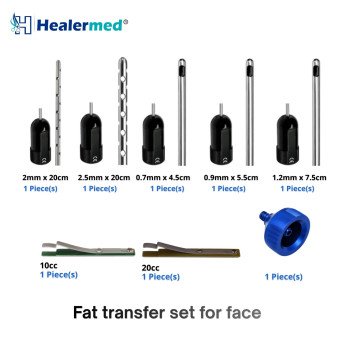
| Complete Sets for Liposuction Cannulas Procedure-built sets for face, breast and buttock fat transfer — matched calibres on one connection standard. |
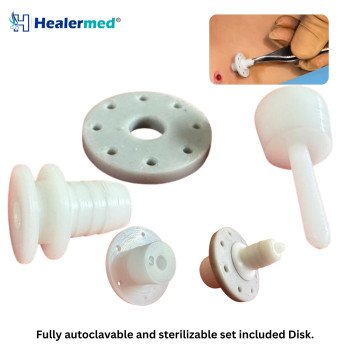
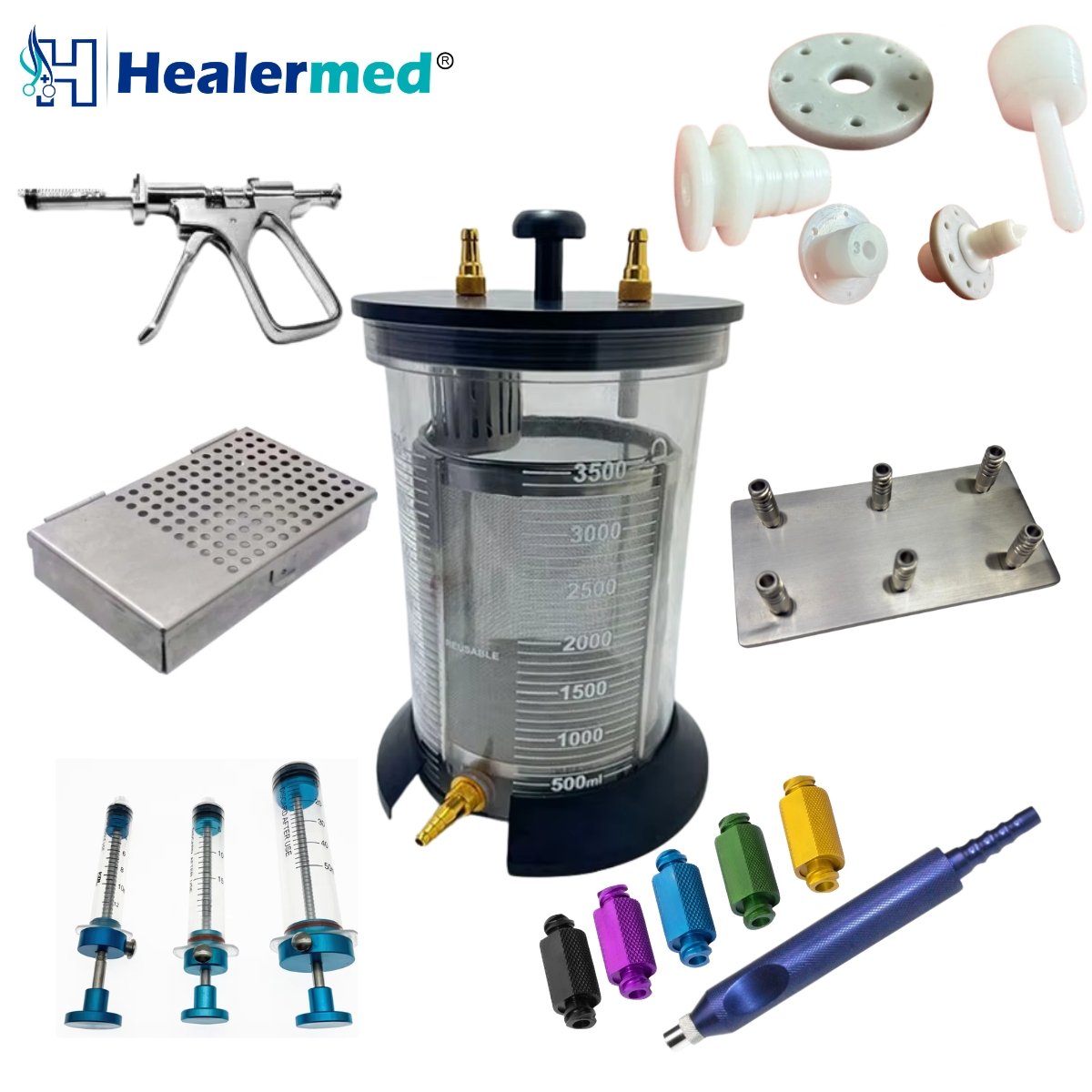
| Accessories For Liposuction Handles, trocars, skin ports, syringes, stands, decanting and nanofat equipment, sterilization boxes. |
| Quick Shop Liposuction Cannulas One parent product per cannula family, all on a single page. The fastest way to order across the range. |
Diameters, Lengths and Hub Fittings
Across the range, liposuction cannulas are made from roughly 0.7mm up to 6.0mm in diameter and from 4.5cm up to 35cm in working length. Diameter sets how much tissue moves per pass; length sets the reach. Facial and periorbital work uses the fine end with short shafts; abdomen, flanks, back and thighs use the larger diameters at 25cm to 35cm. Fat injection calibres run finer still, because the recipient plane, not the donor site, sets the limit.
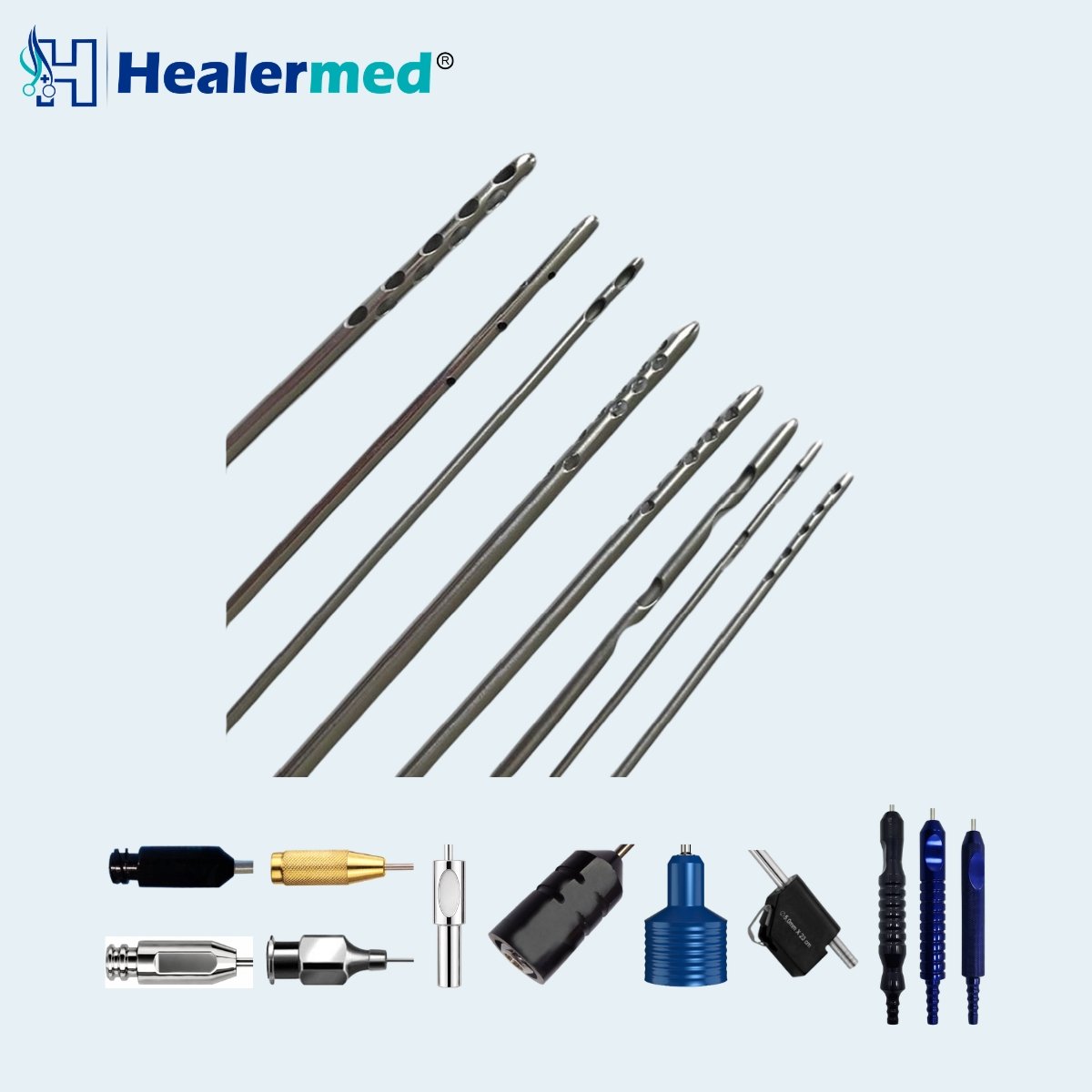
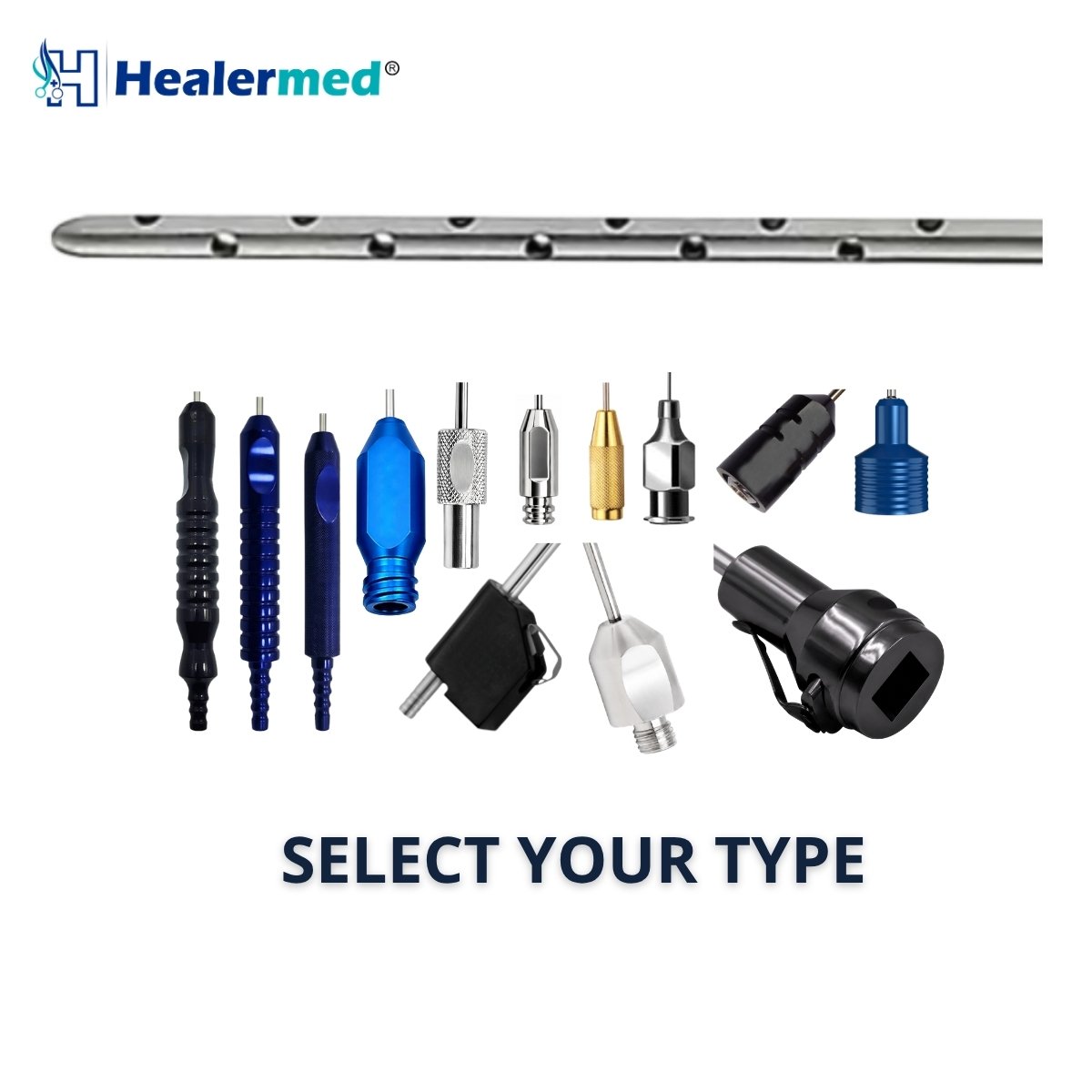
Hub fittings include Luer lock, stainless steel Luer lock, Super Luer lock, universal Luer lock, threaded fitting, fixed, grooved and black power handles, 60cc Toomey hub, and machine-specific hubs for power-assisted and laser-assisted systems. Custom diameters, lengths, port patterns and hubs are manufactured to specification.
Material and Sterilization
Every liposuction cannula is made from German stainless steel with a passivated surface that resists corrosion through repeated cleaning cycles. All instruments are fully reusable and steam autoclavable to 134°C. Flush the lumen and every port immediately after use, before fat and tumescent residue set inside the shaft, and confirm water runs from each opening before drying. Inspect the port edges and the hub thread at every cycle: a dulled edge tears fat rather than cutting it, and a worn hub leaks under vacuum. Neither failure is visible from outside, which is why the check matters more on a cannula than on a solid instrument.
|
Buy online Factory-direct pricing, straight from the manufacturer. |
Wholesale & OEM Distributor, importer or hospital group? Bulk pricing, OEM manufacturing and custom branding. |
Contact Healermed Instruments
| Manufacturer Healermed Instruments Surgical instruments manufacturer and exporter Sialkot, Pakistan |
Certifications FDA CGMP · ISO 13485 ISO 9001 · CE Mark German stainless steel throughout |
| Retail buyers Surgeons and clinics order online at factory-direct prices. Worldwide shipping, samples available on request. |
Wholesale buyers Distributors, importers and hospital groups: send your specification and quantities for bulk pricing, OEM manufacturing and custom branding. |
Why Buy Liposuction Cannulas Direct From the Manufacturer
Healermed Instruments manufactures every liposuction cannula in this range at its own facility in Sialkot, Pakistan, and ships worldwide. Buying direct removes the importer and distributor layer that sits between most surgeons and the factory, which is where the majority of the price on an imported cannula comes from. Production runs under an ISO 13485 and FDA CGMP quality system, with ISO 9001 and CE Mark certification. OEM manufacturing and custom branding are available for distributor and brand-owner orders.
Frequently Asked Questions
What is the difference between an infiltration cannula and an aspiration cannula?
An infiltration cannula delivers tumescent fluid into the tissue before the case begins; it has fine side openings and is built to distribute evenly. An aspiration cannula removes fat under vacuum and has larger ports sized for tissue to pass. They are not interchangeable in either direction.
How do I choose the right liposuction cannula diameter?
Larger diameters remove more per pass and suit the debulking stage on the abdomen, back and thighs. Smaller diameters remove less and are what you shape with, and what you use anywhere the fat layer is thin. Most surgeons carry a debulking size and a shaping size for each area rather than one compromise diameter.
Which hub fitting should I order?
Match it to the equipment already in your theatre: the syringe, the vacuum line or the handpiece. A hub machined for one power-assisted system will not seat correctly in another, and adapting a fitting introduces play at the point that carries the mechanical load.
Are these liposuction cannulas reusable?
Yes. Every instrument in the range is German stainless steel, fully reusable and steam autoclavable to 134°C. Flush the lumen and every port immediately after use and inspect the port edges and hub thread at each cycle.
Do you supply samples before a bulk order?
Yes. Samples are available on request and the buyer covers the shipping charges. For any power-assisted or laser handpiece fitting, testing a sample in your own handpiece before a bulk order is strongly recommended.
What is the minimum order quantity for wholesale?
The minimum order quantity is agreed per order rather than fixed at a single number. Send the patterns, diameters, lengths, fittings and quantities you need through the wholesale request page and we will confirm the minimum for that specification, along with OEM and custom branding options.